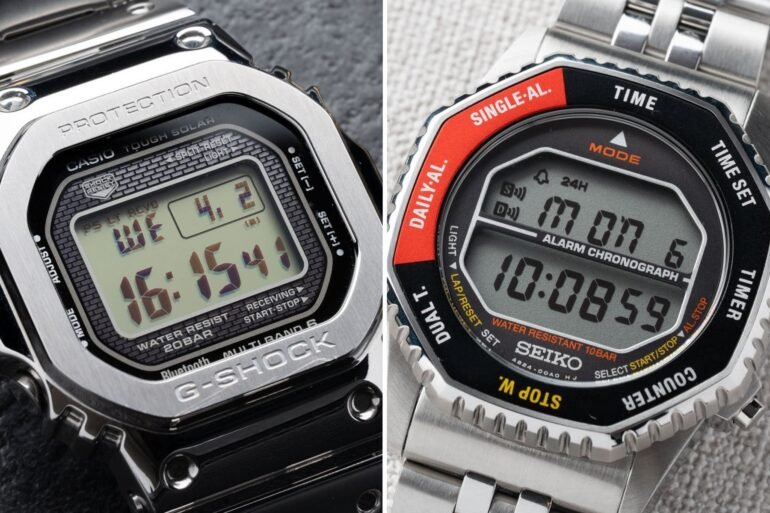
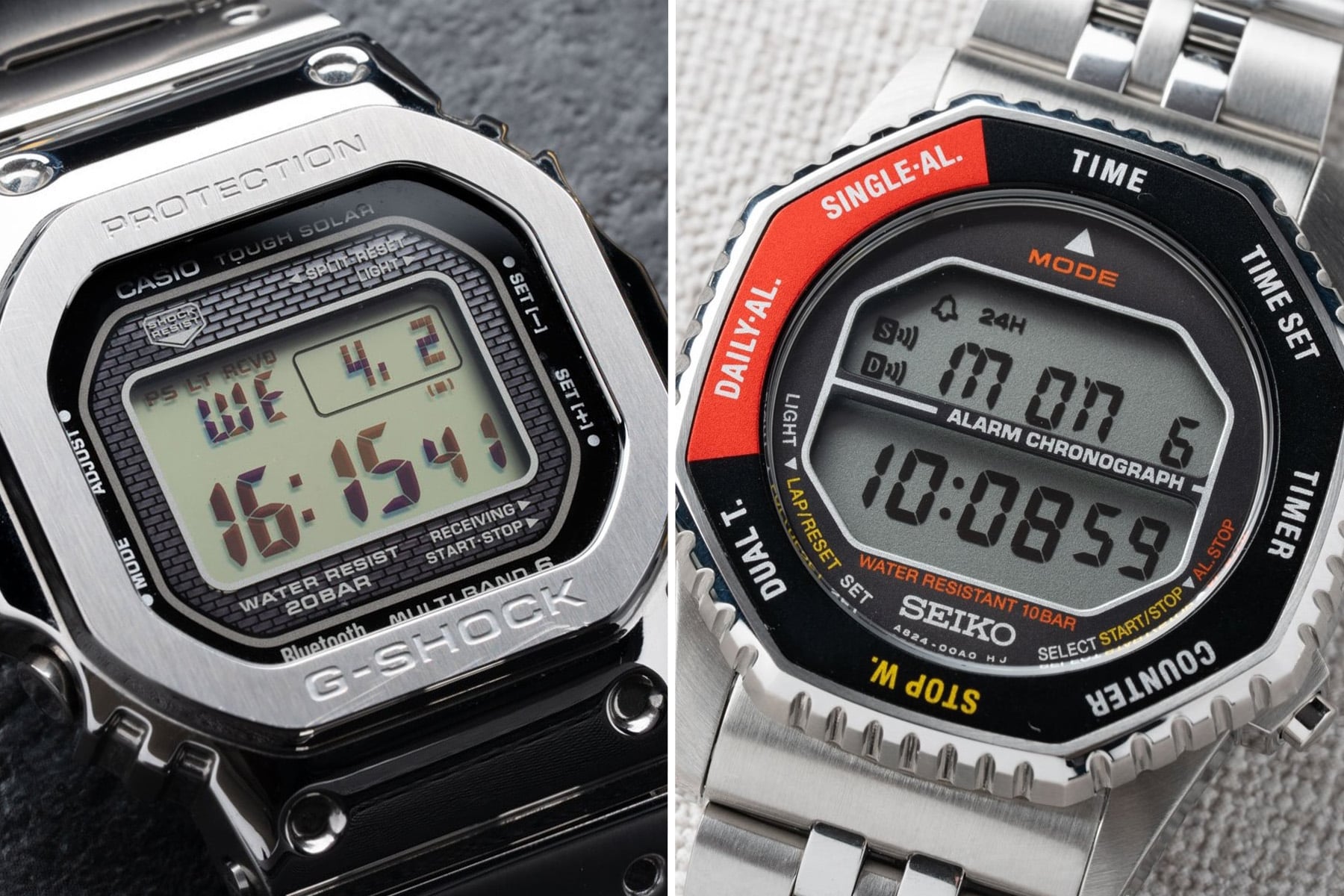
Good morning, Fratelli, and welcome to another Sunday Morning Showdown. Today will be a fully digital installment. When Seiko introduced the “Rotocall” re-editions, many enthusiasts got excited. The original ’80s watch, also known as the “Astronaut,” was used on many space missions, and its practical, uniquely designed bezel is a standout feature. We already put it up against the Seiko 5 “Gene Kranz” at the beginning of the year, and it lost. But we’re giving it another chance, this time against another digital icon, the Casio G-Shock “Square” in steel.
Thomas will defend the more modern and rugged steel G-Shock Square, priced at £499, and Daan will do the same for the Seiko Rotocall re-editions, priced at £550 each. But before we let them out in the ring, let’s take a look at what happened in our previous showdown.
Last week, on Sunday Morning Showdown…
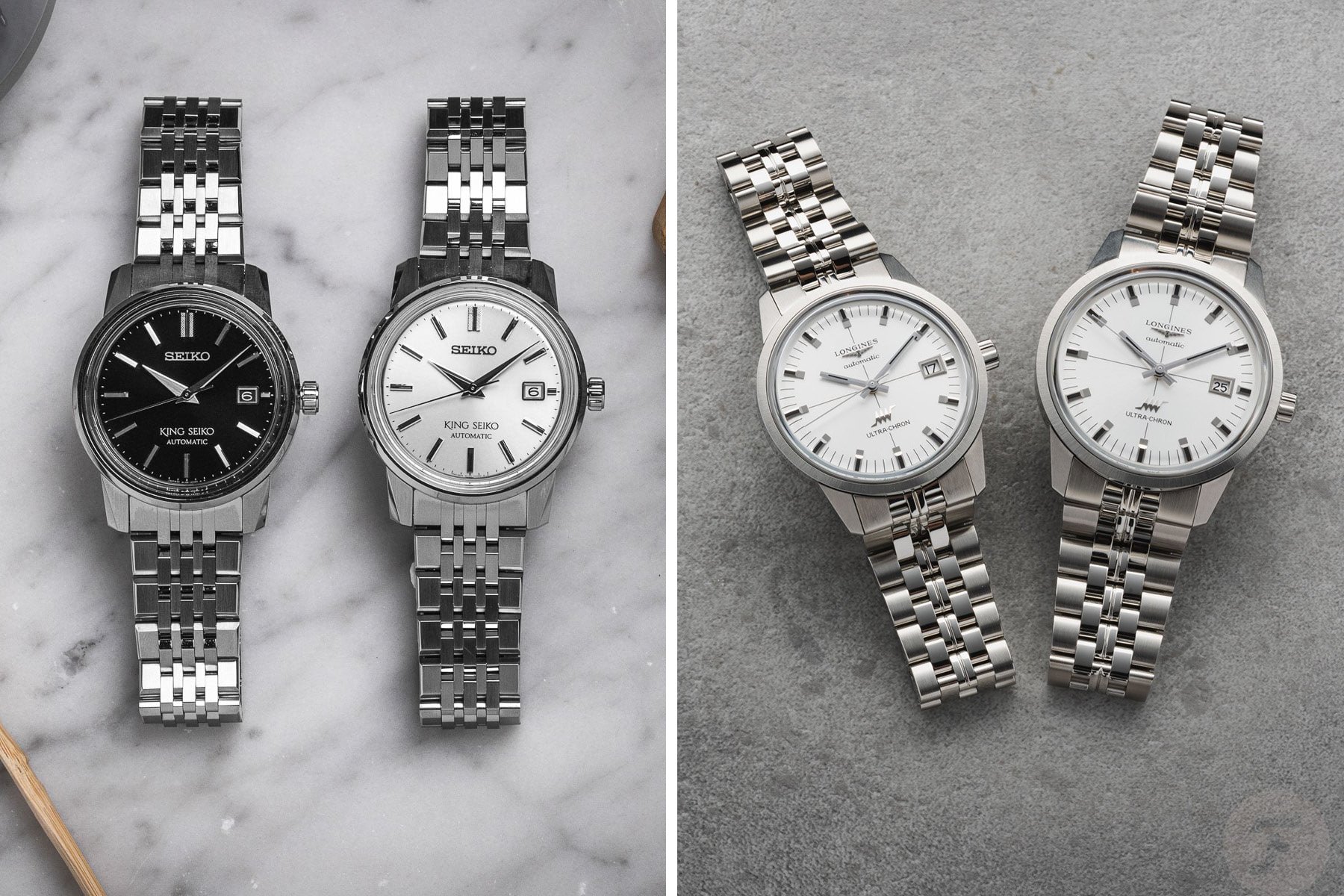
Last week was a battle between two vintage re-editions from two very well-respected brands. Both the King Seiko SJE089 and the Longines Ultra-Chron Classic received widespread praise for their looks. However, in the end, the Longines took the win because of its high-frequency movement and the fact that people feel it offers more watch for virtually the same price. Not even the King Seiko’s high level of finishing could stand in the Ultra-Chron Classic’s way. With the latter having taken 60% of the votes, it was the clear winner. Let’s see what will happen during today’s matchup.
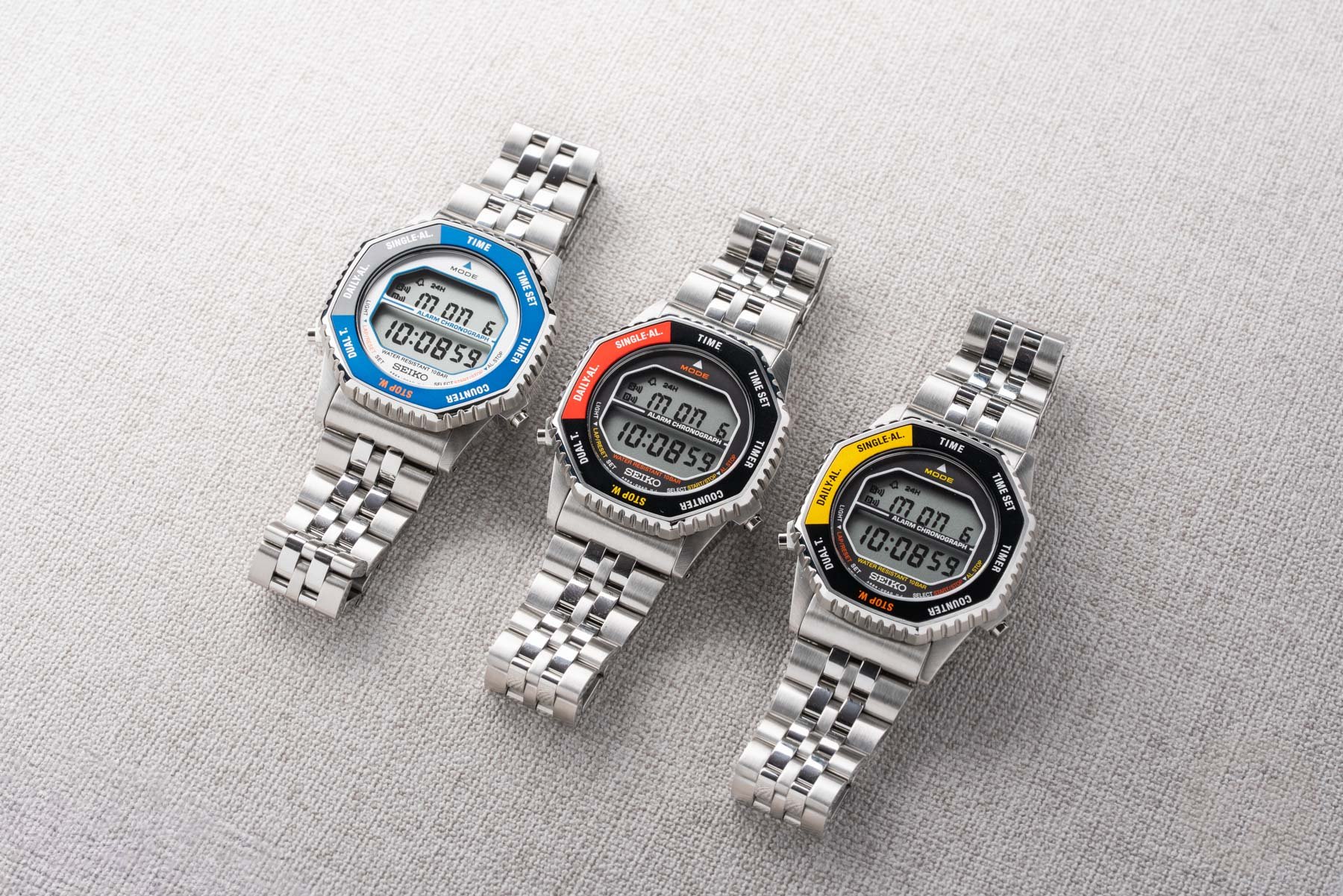
Daan: Seiko Rotocall re-editions
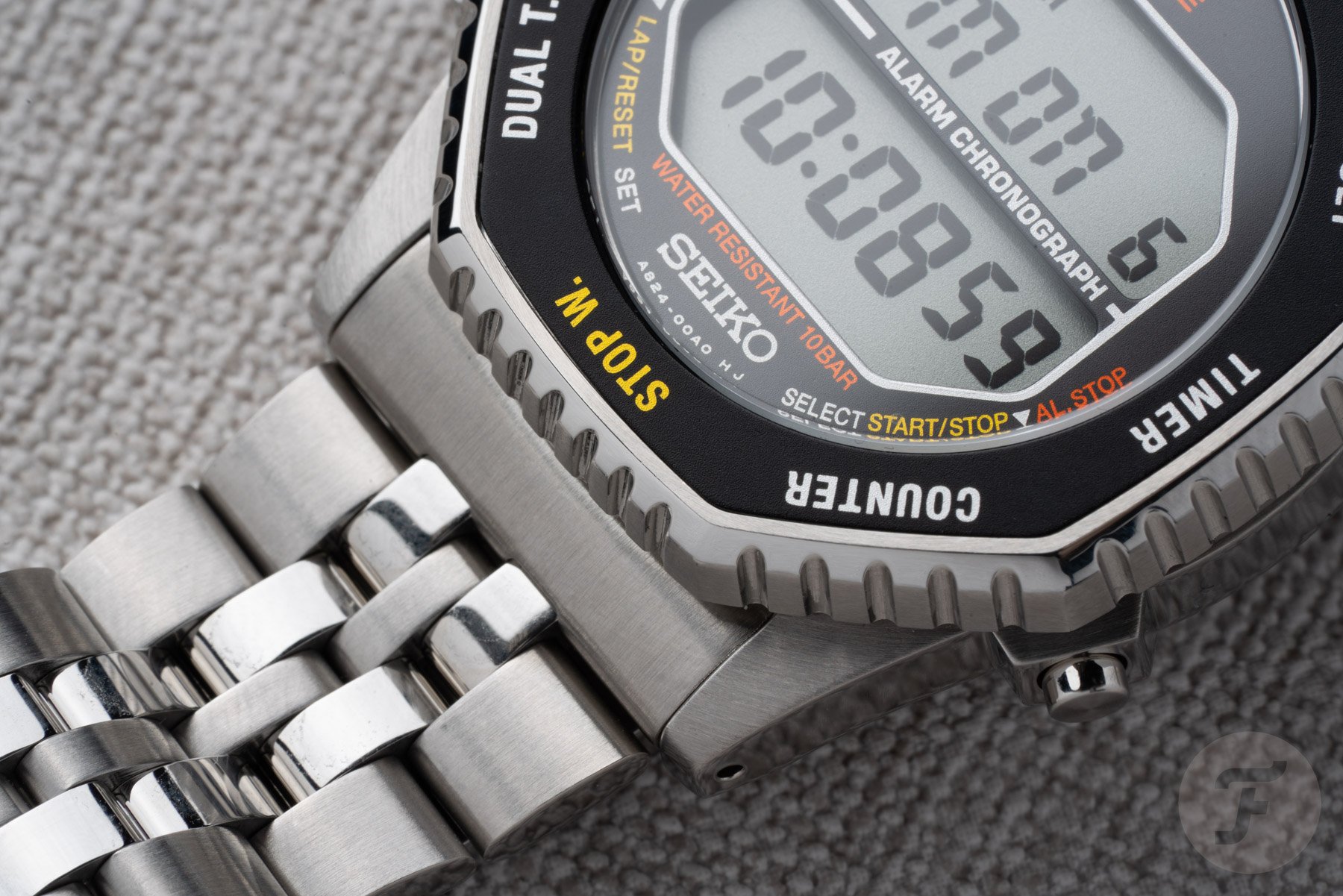
Here I am again, rooting for the Seiko Rotocall re-editions. Last time, it wasn’t able to win against the Seiko 5 Gene Kranz. Let’s see if these colorful watches stand a chance against the mighty Casio G-Shock Square. Let me start by saying some things about my opponent. I used to own the GW-B5600BC-1BER. This is a G-Shock Square with a negative display, Tough Solar, Bluetooth, and, my favorite feature, a bracelet instead of the standard resin strap.
I wore it a lot while doing maintenance on my boat and on playdates with my kids. It’s light, the bracelet is very comfortable, and it always shows the correct time. However, I’m not a fan of the negative display. It was just so hard to read, so I decided to sell it to another enthusiast on the Dutch Horlogeforum. That doesn’t mean I’ll never own a G-Shock Square again. There are plenty of options with normal displays, but if I ever buy one, it will definitely not be a version in steel.
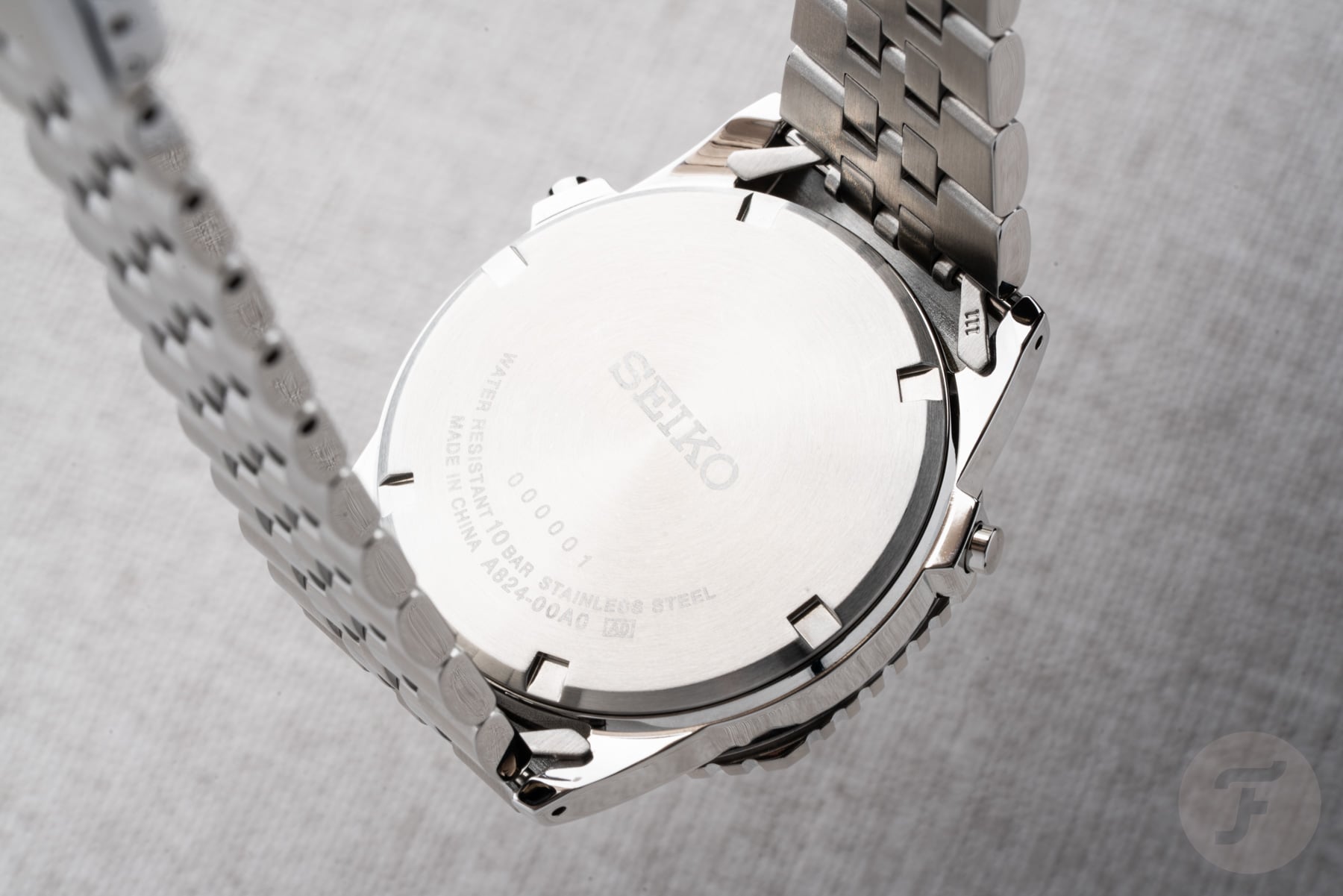
For me, a G-Shock should be light and indestructible. They’re already quite big watches, and the steel versions also have quite a bit of heft. Maybe I could consider a lightweight titanium one, but those come with quite a hefty price tag. No, I’d rather spend my money on a Seiko Rotocall re-edition.
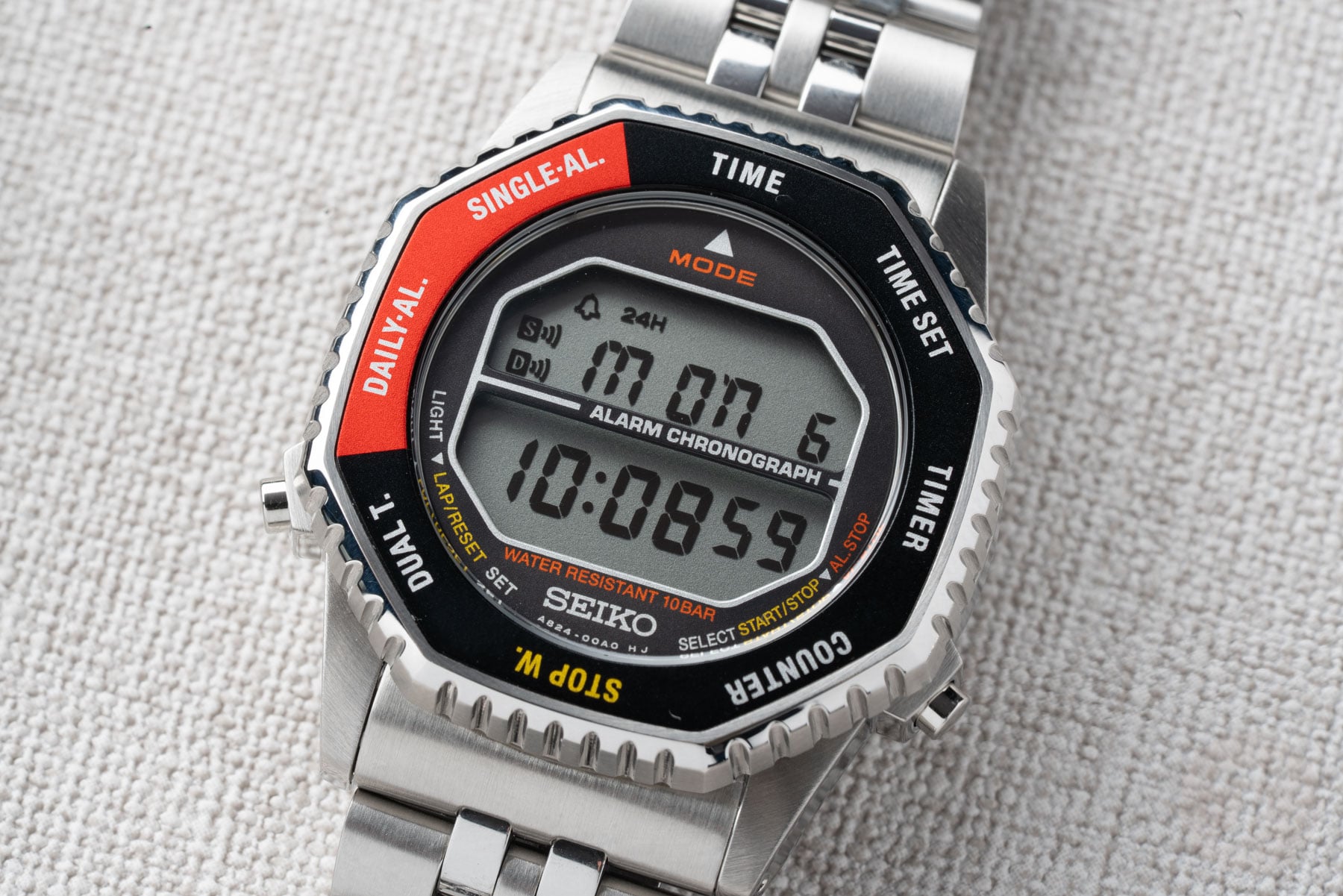
The sleek, retro Seiko Rotocall
If you haven’t yet, I recommend reading Tomas’s article on the history of the original Seiko Rotocall. It tells the full story about its unique bezel, which you use to set the mode, and the role it played in numerous space missions. The fact that Dutch astronaut Wubbo Ockels wore this watch during his space missions certainly contributes to why I like the Rotocall so much.
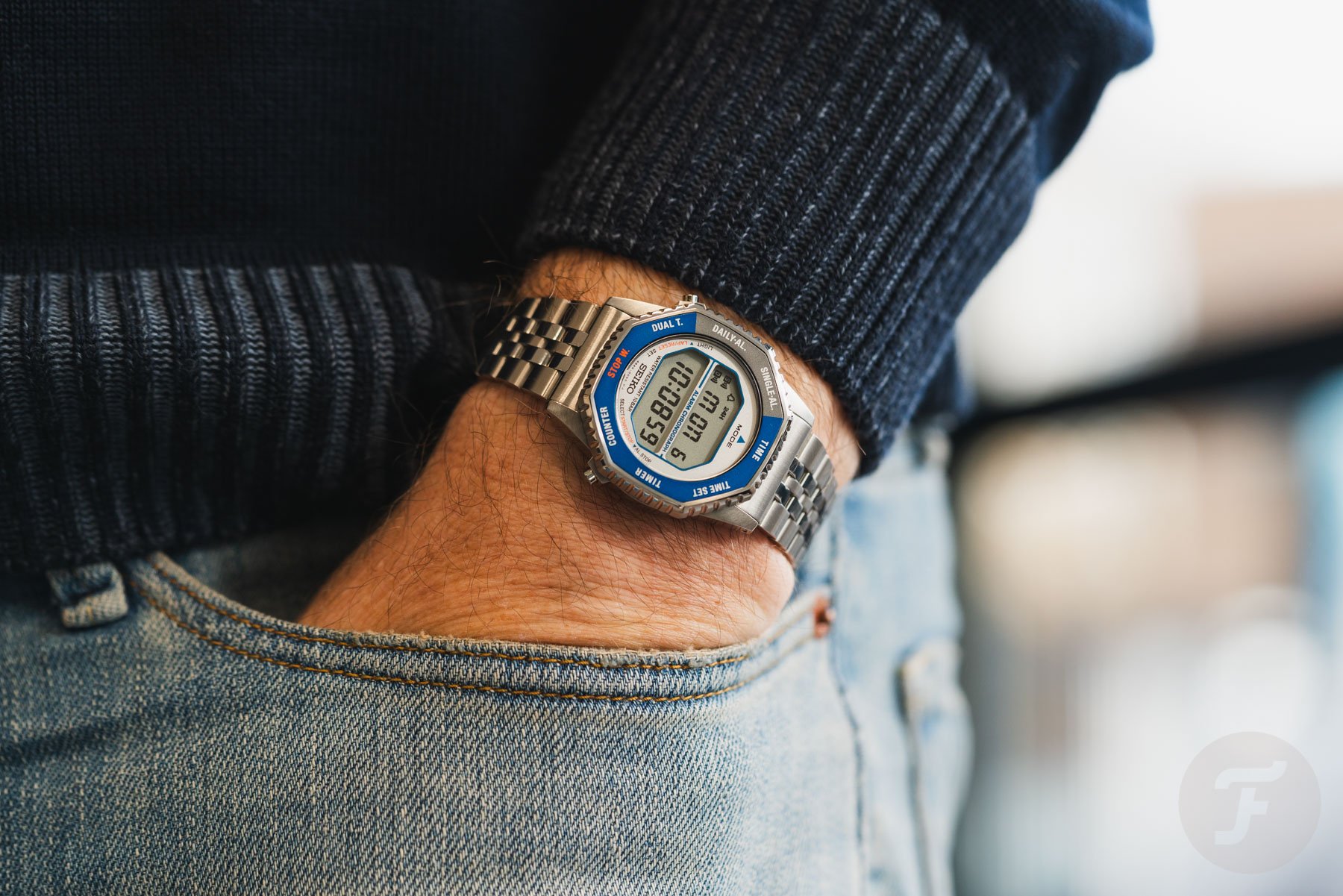
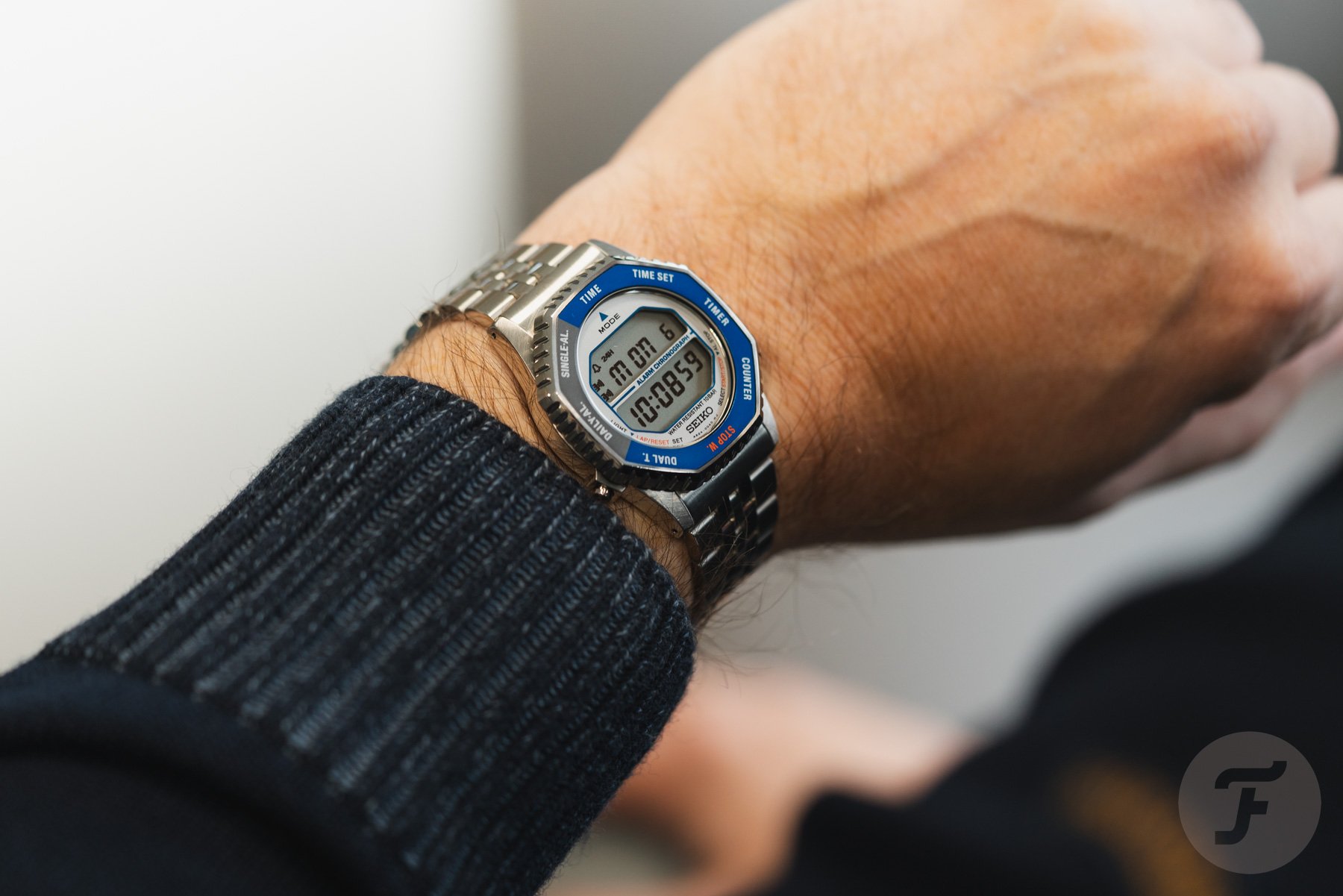
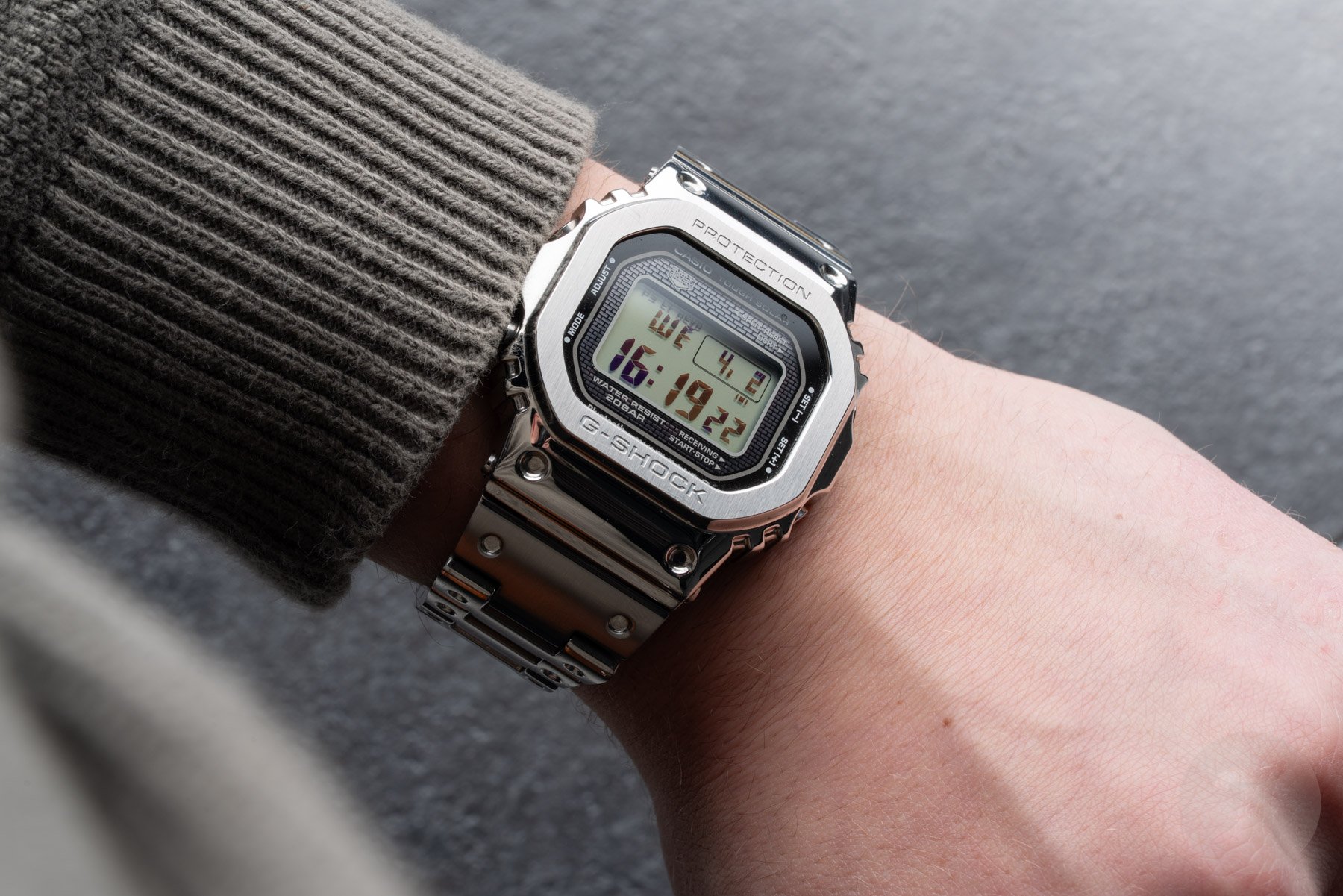
But another argument in the Rotocall’s favor is its wearability. This watch has a 37mm case with 43.49mm lug-to-lug and a 10.6mm thickness. That sounds a lot more comfortable on my 17cm wrist than the G-Shock’s 43.2mm width, 49.4mm lug span, and nearly 13mm profile. There’s just no way a steel G-Shock Square will wear comfortably on my wrist. Because of this, I much prefer the sleeker Rotocall.
Less fancy features
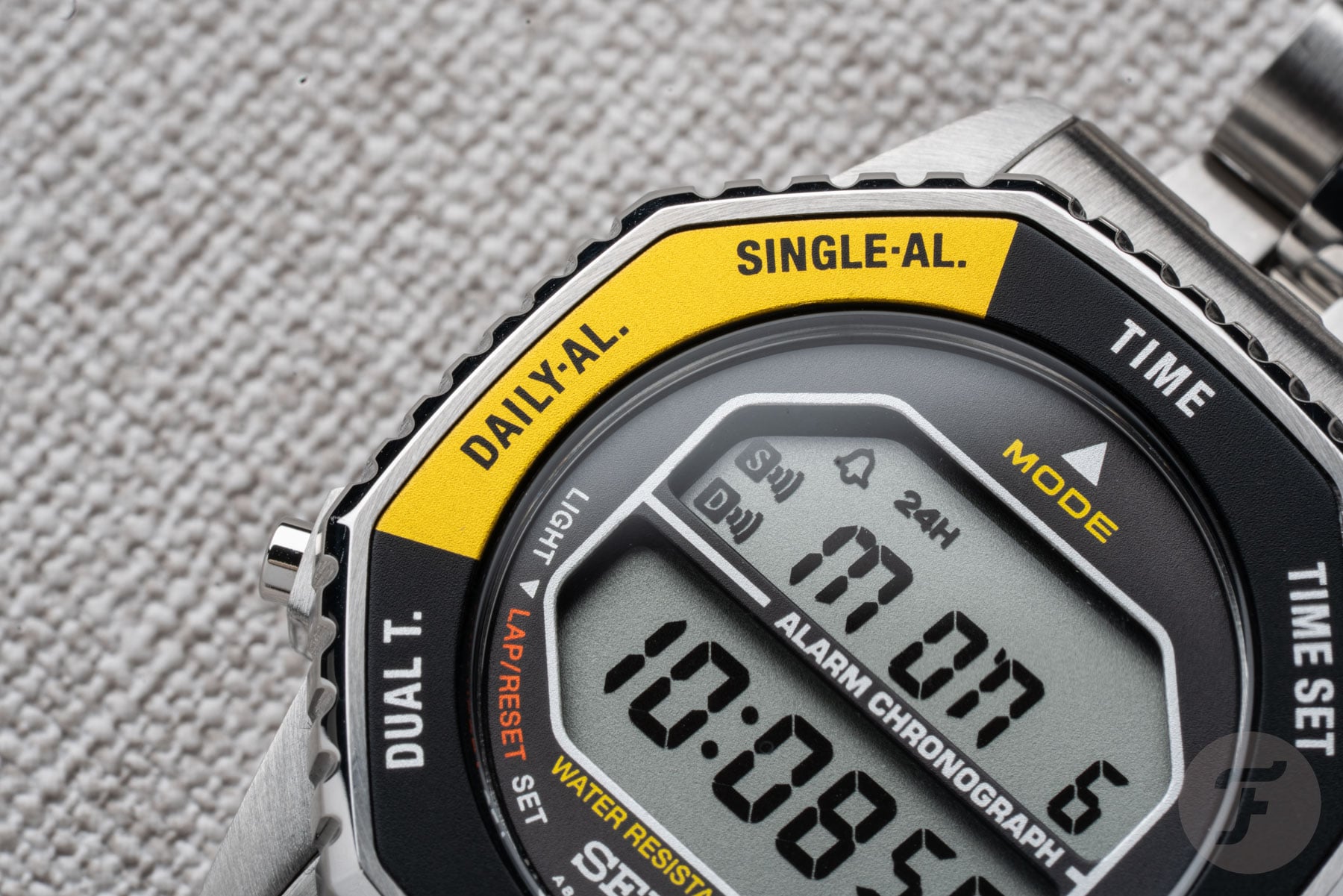
Sure, the Seiko Rotocall re-edition has a few downsides compared to the G-Shock. For example, there’s no Bluetooth, which, to be honest, doesn’t have to be a problem. However, it also doesn’t offer a solar-powered module. At the end of its three-year lifespan, you will have to replace that battery. That’s no big deal, of course, but a solar-powered movement like the G-Shock’s is indeed more convenient.
The G-Shock also has a 200m water resistance rating, while the Seiko’s is “limited” to half of that. Honestly, that really doesn’t bother me. Regarding the shock resistance of both these watches, I’m sure the Seiko will survive the usual bumps and knocks that all my other watches take. I don’t need a G-Shock for that.
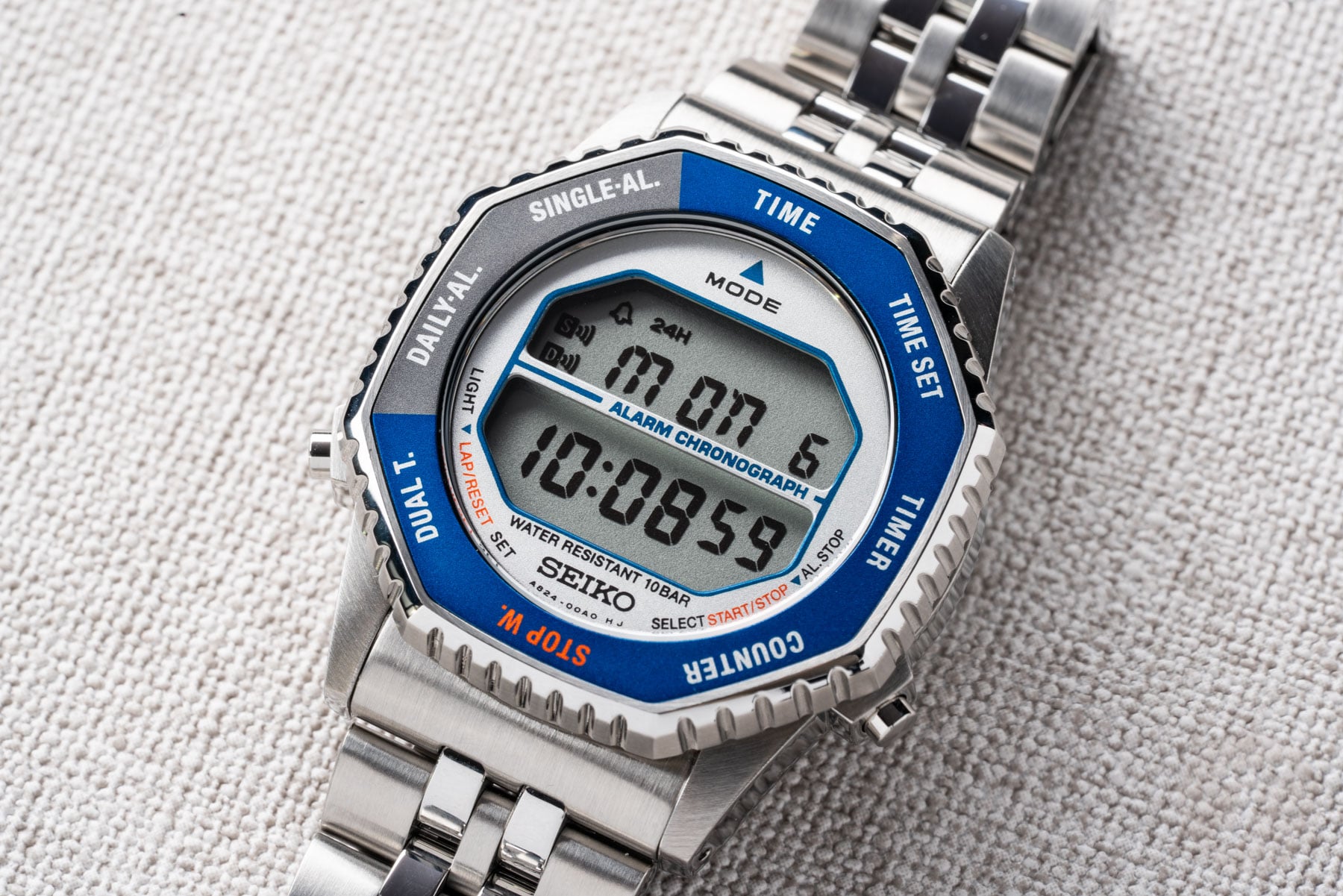
All specs aside, I truly feel the Seiko Rotocall is the watch for me here. I like the colorful bezel inserts, especially the SMGG21’s blue and gray one. The size is much better for my wrist, and it’s a great reminder of one of the Netherlands’ famous astronauts. All right, Thomas, let’s hear it from your side.
Thomas: G-Shock Square in steel
Thank you, Daan. And, good morning, Fratelli! This is a tough one for sure. I, too, like the Seiko Rotocall quite a bit. Still, I think I can build my case on two pillars — specs and concept. I think you will find the G-Shock comes out superior from both of those perspectives.
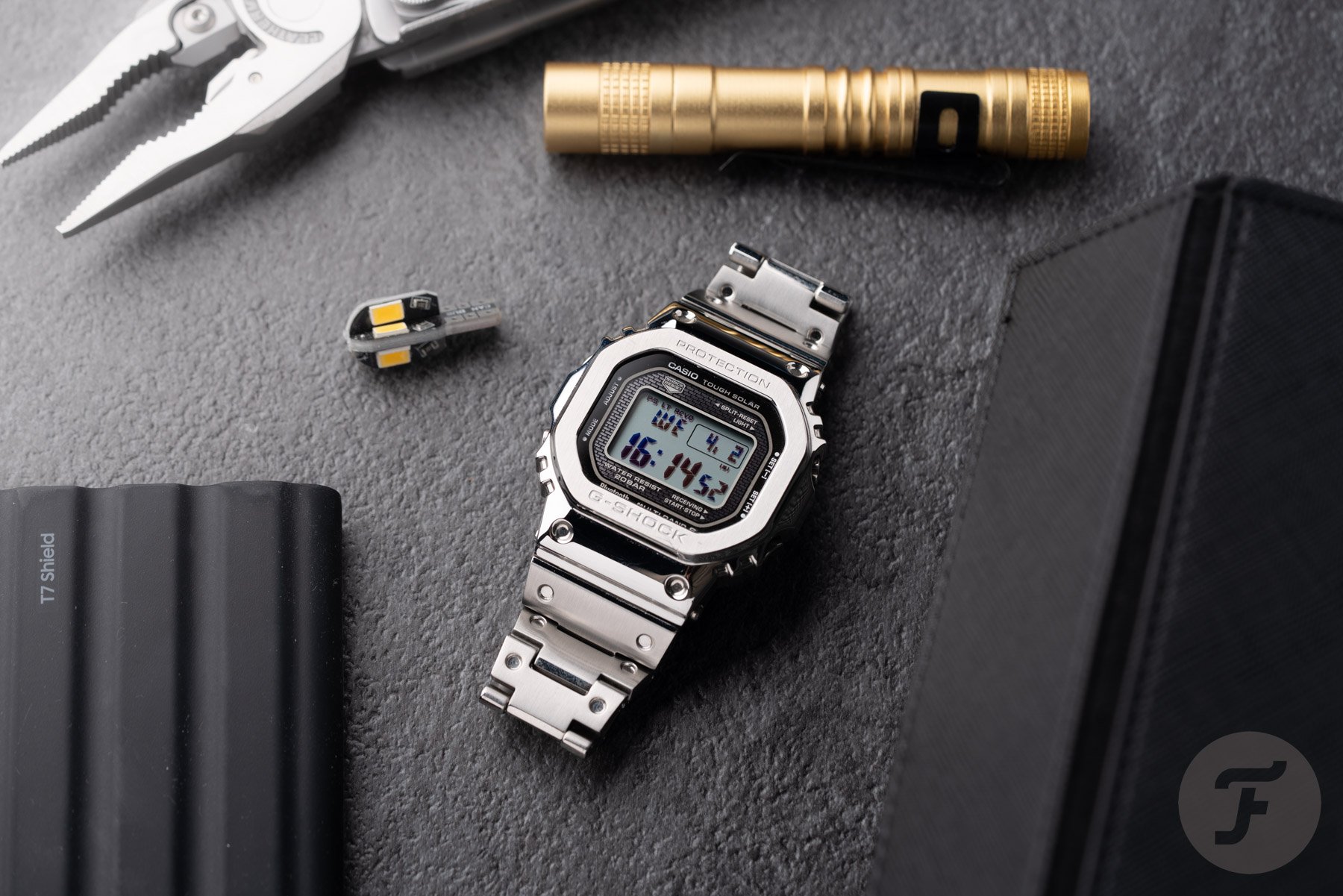
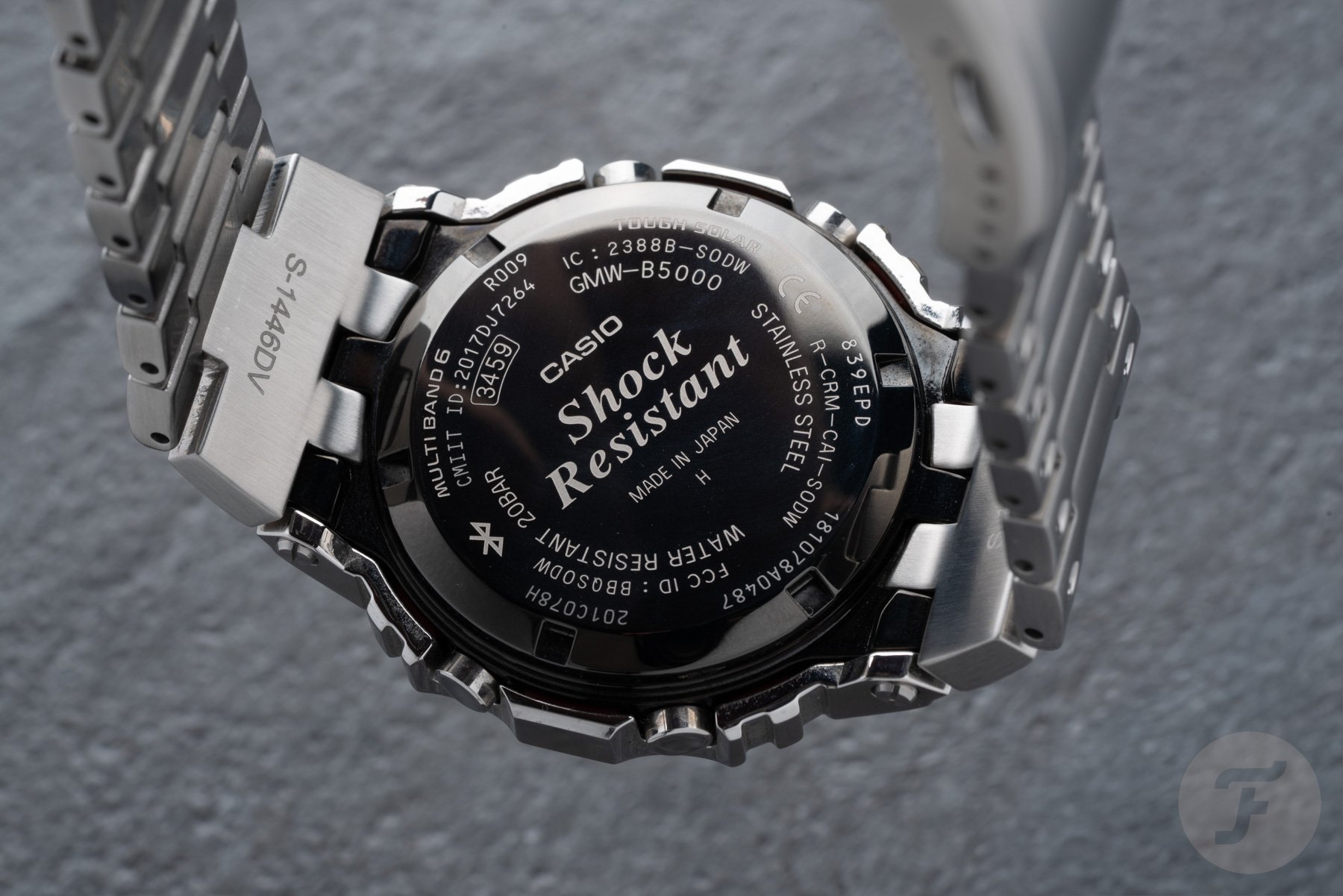
Before I get into those two points, though, I think we should consider heritage. The G-Shock 5000 line, to which this model (ref. GMW-B5000D-1C) belongs, has had a massive cultural impact and heritage. These watches influenced street culture far beyond watch enthusiasts’ circles. They split the difference between horologically innovative and under-the-radar streetwear fashion icons. The horological street cred comes from the 5000 series to be the first to introduce Casio’s Triple 10 concept — 10-bar water resistance, shock resistance to falls from 10 meters, and a 10-year battery life.
What does the Seiko Rotocall offer culture-wise? Okay, it is yet another space watch. Big whoop. Even dedicated collectors of space-flown watches would not chase a Rotocall before scoring all of the much more influential space-going watches we all know and love. In this sense, the steel G-Shock Square is another step in the evolution of an iconic watch. The Rotocall is a fun throwback reissue. Both are valid reasons to enjoy one over the other, but the Casio story is the more objectively powerful one.
Superior specs
Okay, on to the first pillar I promised to cover, specs. I can see two reasons to buy a digital watch. One is for aesthetic and design reasons. Think of the 1972 Pulsar and its current incarnation by Hamilton or the Girard-Perregaux Casquette. The second, more applicable reason here is functionality. You want stopwatches, alarms, multiple time zones, and an indestructible exterior.
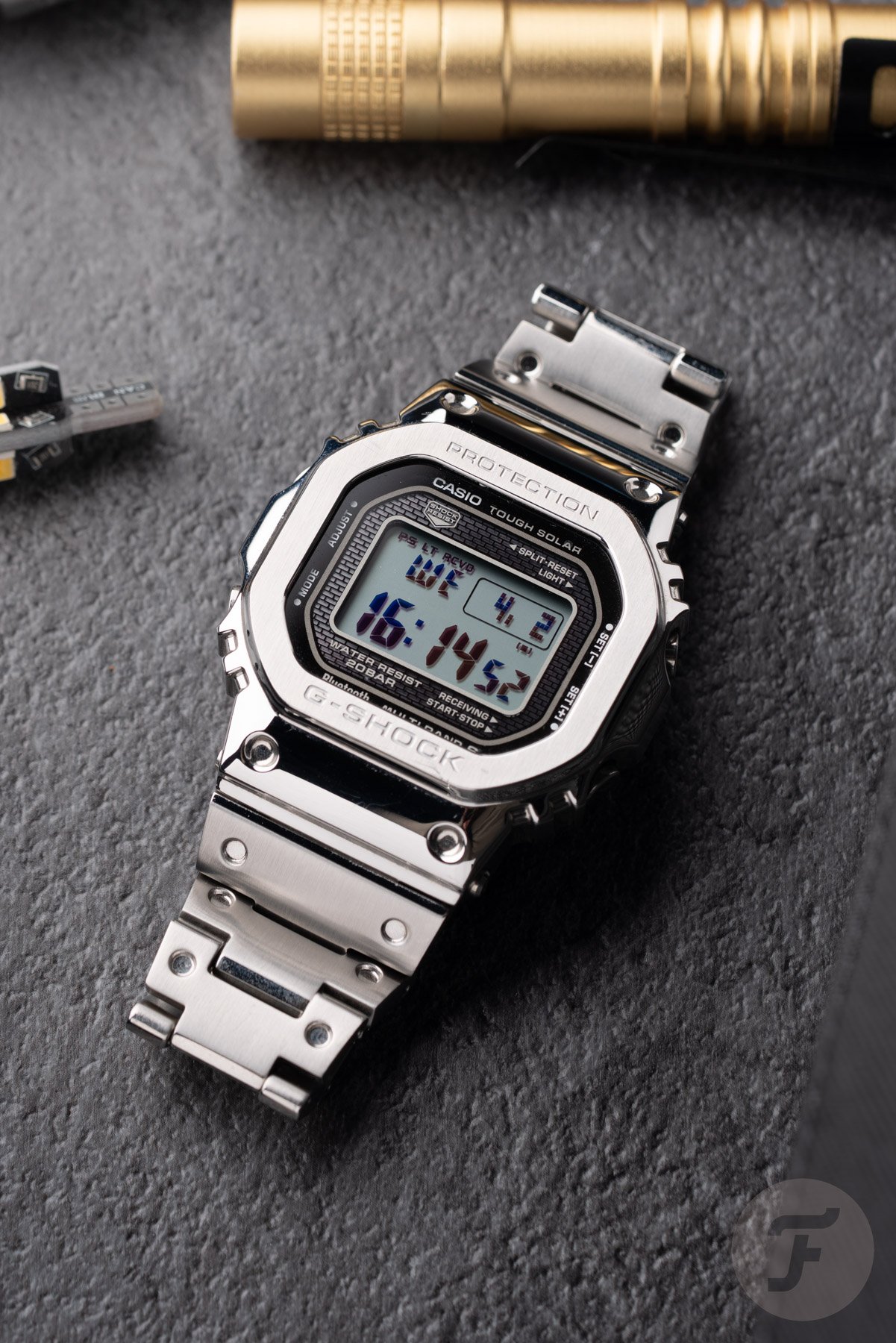
The Casio G-Shock Square in steel wins this discipline by a mile. You already mentioned the 200m water resistance, Tough Solar, and the Bluetooth connectivity, Daan. And you shove them aside as if they don’t matter. I would argue that they matter more than anything in this segment. These are some of the primary reasons why you would wear a watch like this, right? The G-Shock offers all the digital advantages. It corrects itself via radio, including when you cross time zones. It requires zero maintenance for years. It even offers some smartwatch functions, like “find my phone,” via its Bluetooth connectivity.
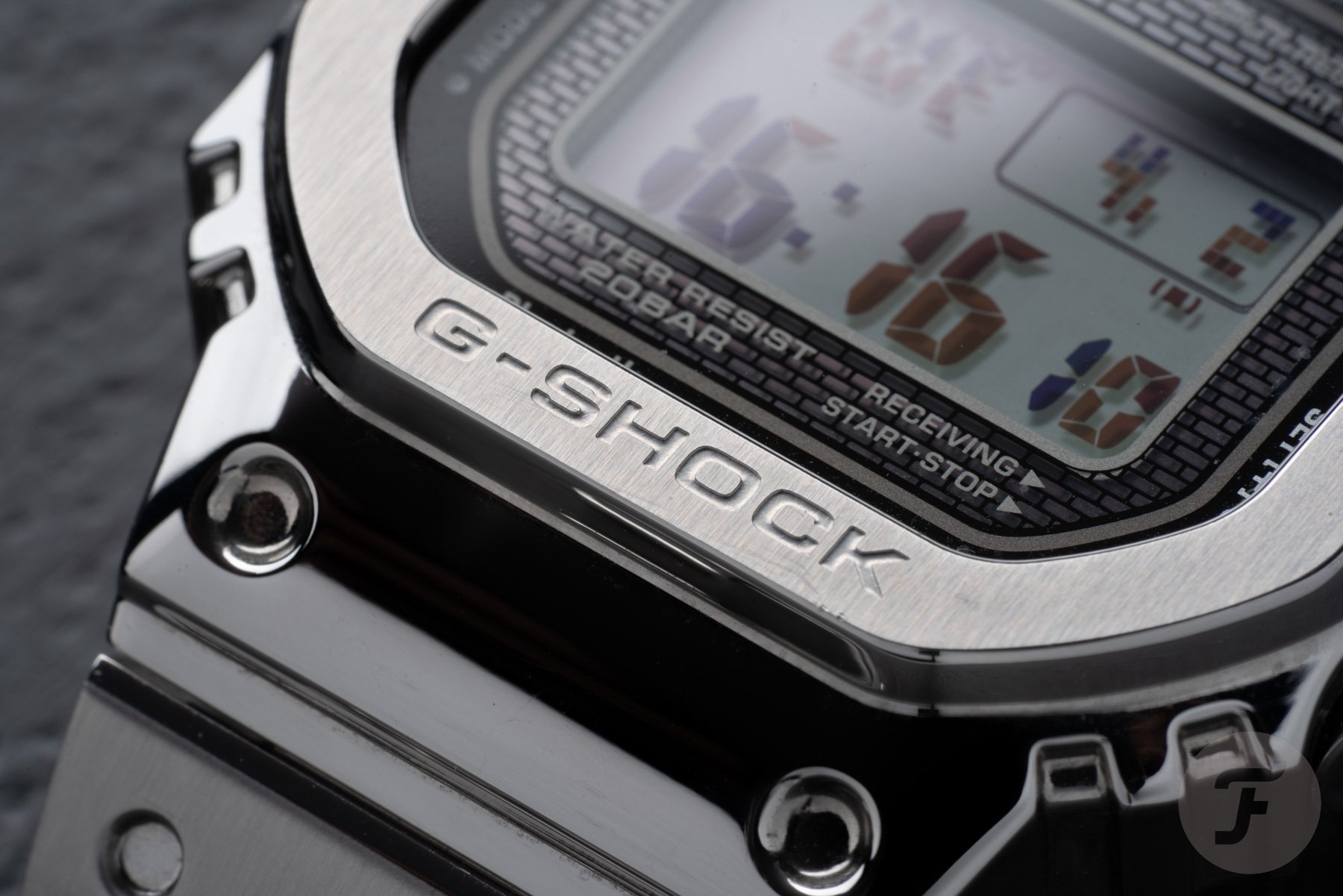
Both watches come with steel exteriors. Granted, that’s not your first choice in a world of indestructible resin alternatives. The G-Shock, however, maintains its suspended, cushioned module. This means that it is every bit as rugged as its resin brethren — perhaps even more so. The same cannot be said of the Seiko Rotocall.
Why I prefer the G-Shock Square concept over the Seiko Rotocall
All of this brings me to the underlying concept of these two watches. The Casio G-Shock feels like a genuine effort to build the toughest digital watch imaginable. As a concept, this feels completely genuine and on-brand for Casio. The watch became a fashion icon as a result of this uncompromising, genuine concept. The Rotocall, meanwhile, seemingly tries to be a fun, fashionable reissue of a historic model. As a result, it feels like it may be trying a bit too hard to be charming.
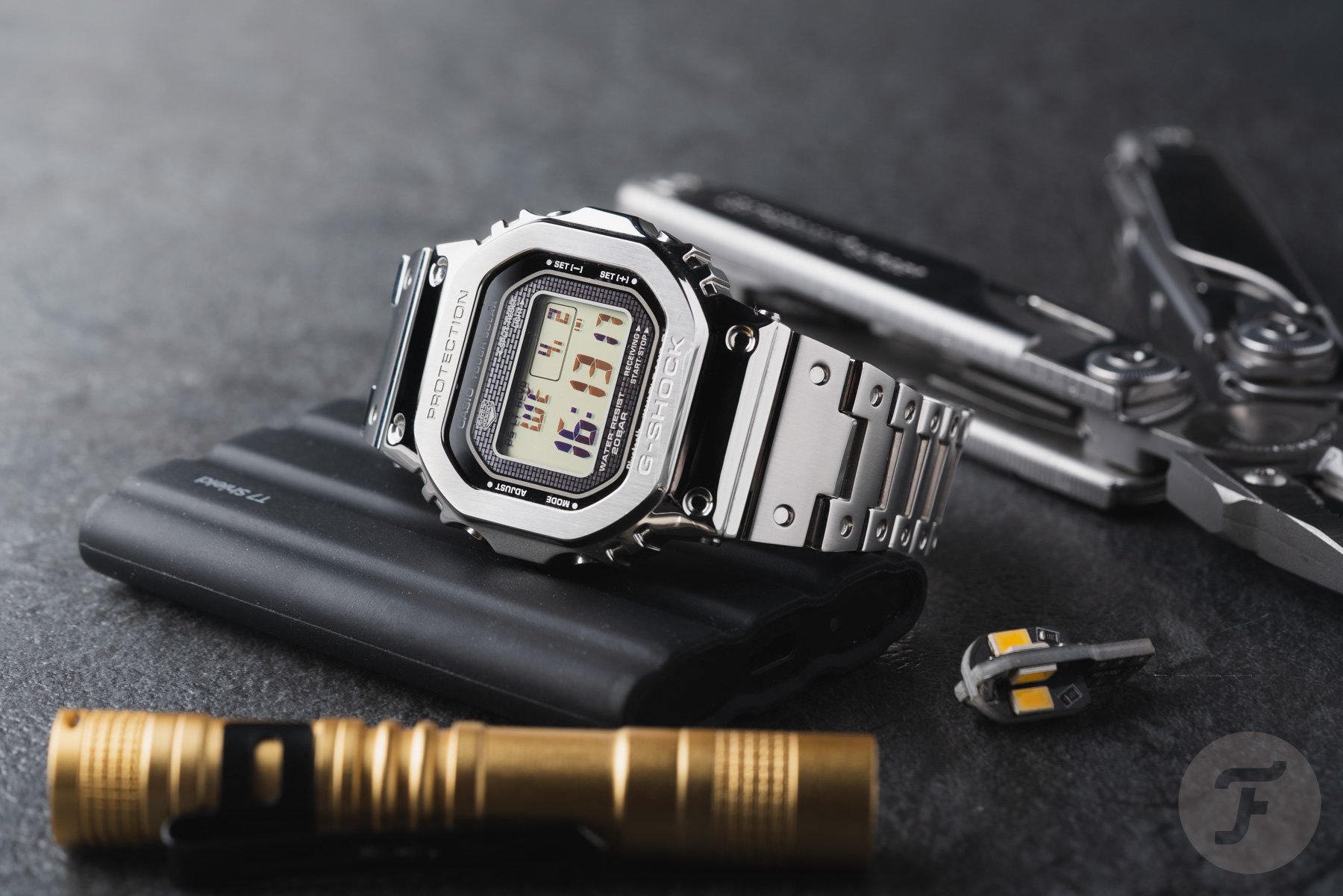
One of the first mental tests I subject all the watches I see to is to check for conceptual integrity. Do all design and execution cues point towards the same goal? I am inclined to rate the G-Shock over the Seiko in this respect for the reasons stated above.
If I came across as overly harsh towards the Seiko Rotocall, let me add this final bit of nuance. Out of the two, I would buy and wear the Rotocall. Subjectively, I like it more. However, when objectively evaluating which is the better watch, I think the Casio G-Shock Square in steel is the clear winner. In the end, my job here is to describe why my candidate is better, not where my fickle heart leads me.
Cast your vote!
There you have it — two clear cases for two digital watches. Which is your favorite? Cast your vote now, and please share your motivations in the comments section below!
Seiko Rotocall re-editions vs. Casio G-Shock Square in steel