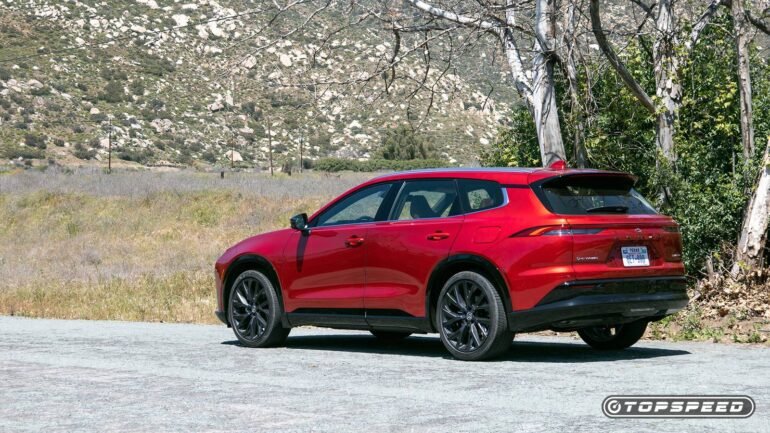
Hybrid vehicles have surged in popularity as buyers increasingly prioritize fuel efficiency alongside practicality and versatility. This growing demand has prompted luxury and premium manufacturers to enter the gasoline-electric hybrid market, though their offerings often carry steep price tags due to the complex integration of internal combustion engines with electric powertrains. While the initial investment may seem daunting, hybrid owners benefit from reduced operating costs that help offset the premium over time, particularly with regular use. These vehicles also tend to deliver superior reliability, as the electric motor reduces strain on the traditional engine.
Japanese automakers remain the leaders in hybrid technology, offering the most dependable options available today while simultaneously elevating their offerings to compete in the premium segment with more refined and luxurious products than ever before. One standout newcomer deserves particular attention—a model wearing a storied nameplate that’s been reimagined for global markets as part of an ambitious expansion strategy. Though positioned at a higher price point than some competitors, this hybrid SUV delivers exceptional value through its compelling combination of luxury appointments and accessible pricing, making it a worthy investment for buyer with a mid-range budget.

The Luxury Hybrid That Fits A $50,000 Budget
Is it possible to get a large, luxury hybrid new for under $50,000? It is, but you will have take a fresh look at an unusual nameplate for luxury.
Why The Toyota Crown Signia Is Worth $44,090

In true Toyota fashion, the Signia comes fitted with a host of impressive standard features. This is a noteworthy reason that makes the upmarket crossover an incredible value proposition. The range starts with the XLE, which includes front seat heating and ventilation together with heating for the rear row, eight-way power adjustments for the driver, with lumbar and memory functions, a heated leather-wrapped steering wheel, leather upholstery for the seats, a wireless smartphone charger, dual-zone climate control, and a 12.3-inch central touchscreen infotainment system with wireless Apple CarPlay and Android Auto. Toyota connects this to a standard six-speaker audio system.

Upgrading to the Limited means you get to benefit from the 11-speaker JBL premium audio system, together with a digital rearview mirror, digital smartphone-based key system, better LED exterior lighting, larger 21-inch alloy wheels, and a host of other distinctive exterior trimmings. Toyota offers a select set of options and packages that suit specific needs and requirements.
Both derivatives come standard with the brand’s Safety Sense 3.0, which incorporates a comprehensive combination of active, passive, and advanced driver assist systems, resulting in the Signia being one of the safest hybrid crossoversyou can consider. Pricing starts at $44,090 while the limited adds on a premium that raises the price to $48,490.

Standard interior features include:
- SofTex- or leather-upholstered eight-way heated and power-adjustable front seats
- Auto-dimming rearview mirror with HomeLink
- Dual-zone climate control
- Leather multifunction steering wheel
- Heated steering wheel and ventilated front seats for Limited and Platinum trims
- 12.3-inch infotainment system
Hands-On Review Of The Crown Signia

TopSpeed journalist William Clavey recently drove the Crown Signia, and was impressed by the quality of the interior. “Seats, door inserts, parts of the dashboard and even the center console were wrapped in an elegant caramel-colored leather texture. Everything I touched felt like it was of good quality.”

It wasn’t just the materials that left him impressed, however, as the Crown Signia felt much larger than you might expect. “Even with a front seat adjusted for my six-foot tall self, I had no problem fitting in the rear. Leg and headroom are more than sufficient, which really helps drive the point home that the wagon body style is still the best design for hauling a nuclear family. My only minor gripe about the Crown Signia’s interior is that massive panoramic roof that won’t open.”

2025 Toyota Crown Signia First Drive: A Large Hybrid Wagon Here To Save The Venza
The Crown Signia is a spacious, comfortable and almost Lexus-like station wagon. But the high price tag and limited lineup could hurt its sales.
Fuel Efficiency Blended Perfectly With Performance

Being a hybrid, the Signia’s biggest claim to fame is its incredible EPA-estimated consumption and range figures. The XLE and Limited share the same estimates despite featuring different wheel sizes. This comes in at a 39/32/38 MPG result on the city/highway/combined cycle, together with a 551-mile range claim from the 14.5-gallon tank and 0.9 kWh lithium-ion battery pack. The EPA suggests that you can expect to save up to $2,250 on gasoline every five years and expect to spend $1,250 every year. It will cost you $2.09 to drive 25 miles and $46 to fill the tank all the way up. Granted, these are not class-leading figures, but it’s one of the best balances of efficiency and performance that you’ll find in the premium hybrid crossover market.

These figures come courtesy of the brand’s naturally aspirated 2.5-liter four-cylinder Atkinson-cycle engine with a pair of permanent-magnet synchronous motors that deliver a combined output of 240-horsepower at 6,000 RPM. Toyota doesn’t declare a combined torque output, but we know that the engine produces 163 pound-feet, while the motors twist out 89 pound-feet at the front and 199 pound-feet at the rear. Toyota claims that this will cover a 0-60 MPH sprint in 7.1 seconds before reaching a 125 MPH top speed limit. The Signia runs on Toyota’s standard hybrid drivetrain, meaning it employs a direct-drive eCVT as opposed to a conventional transmission system.

Unlike the Crown Sedan, there isn’t a turbocharged option for the Signia as yet. We understand that Toyota will introduce this to the range in due time as there will be demand for a more powerful drivetrain. This is in reference to the brand’s turbocharged 2.4-liter four-cylinder i-Force Max drivetrain, which benefits from a 48-volt mild-hybrid system.

Depending on the model, this system typically generates 340 horsepower, resulting in a sub-6.0-second 0-60 MPH time and slightly higher top speed. It also benefits from a more conventional six-speed automatic transmission. The Signia sits on Toyota’s TNGA-K platform, which puts it in the same league as the Toyota Highlander and Lexus RX.

How This Japanese Hybrid Balances Luxury And Functionality
You’re not going to find a better Japanese HEV that seamlessly blends luxury and functionality
History Of The Toyota Crown

Toyota launched the Crown nameplate in 1955 as an upscale alternative for customers seeking the brand’s renowned reliability paired with premium refinement. Originally developed for Japan’s domestic market, the Crown represented Toyota’s bold entry into the luxury segment—a significant shift from its traditional focus on economical vehicles. The model quickly established itself as a dependable executive sedan equipped with cutting-edge features, becoming a standard-bearer among the limited selection of Japanese luxury vehicles available at the time.

Throughout its evolution, the Crown expanded beyond Japan to gain traction in Southeast Asia and enjoyed brief stints in North America. Toyota has recently reimagined the Crown lineup entirely, introducing the Crown Sedan, Crown Sport, Crown Estate, and the Crown Crossover—a dramatic shift from its sedan-only heritage designed to appeal to varied customer preferences while maintaining its upscale positioning. The Crown Signia stands out as the range’s flagship crossover, seamlessly combining luxury with everyday functionality to meet growing demand for sophisticated yet practical vehicles.

This strategic reinvention expands the Crown’s reach, particularly in markets like the United States where SUVs have overtaken sedans in popularity. By fusing its legacy of sophistication with modern styling and advanced technology, Toyota has strategically positioned the Crown lineup to occupy the space between its mainstream offerings and the Lexus brand, ensuring this historic nameplate remains competitive in today’s rapidly evolving automotive market.