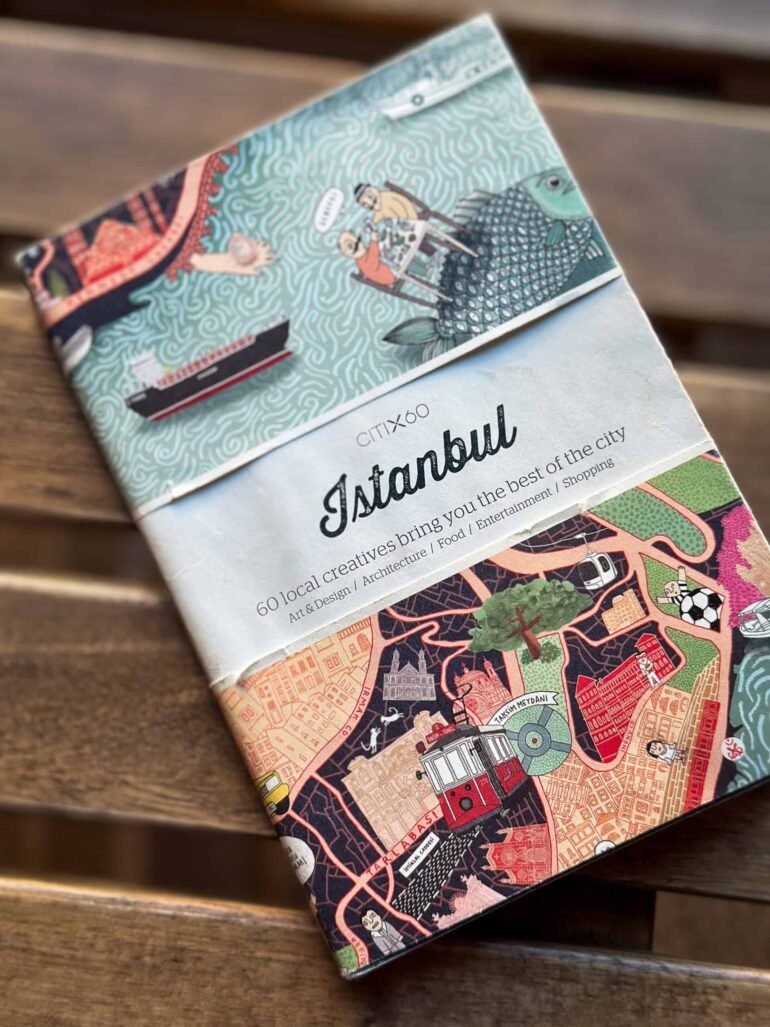
Find the best Turkish souvenirs to bring home without wasting any space in your suitcase.
The Art of Finding the Best Turkish Souvenirs
When it comes to looking for souvenirs to buy, it’s hard to beat shopping in Turkey.
The scent of coffee beans, the deft-moving fingers on looms with the childhood nostalgia of magic carpets. The soft powdered sugar with rose petals in Turkish delight and the cool feel of the thick glass of the deep blue yet evil eye in your palm.
Whether I’m visiting Istanbul in winter, summer or autumn, and even though I hate shopping trips in general, I adore wandering through the souks of Turkey.
For the curious traveller, shopping in Turkey is less about consumerism and just googling “things to buy in Turkey” and more about falling more in love with the place and its many arts, crafts and traditions.
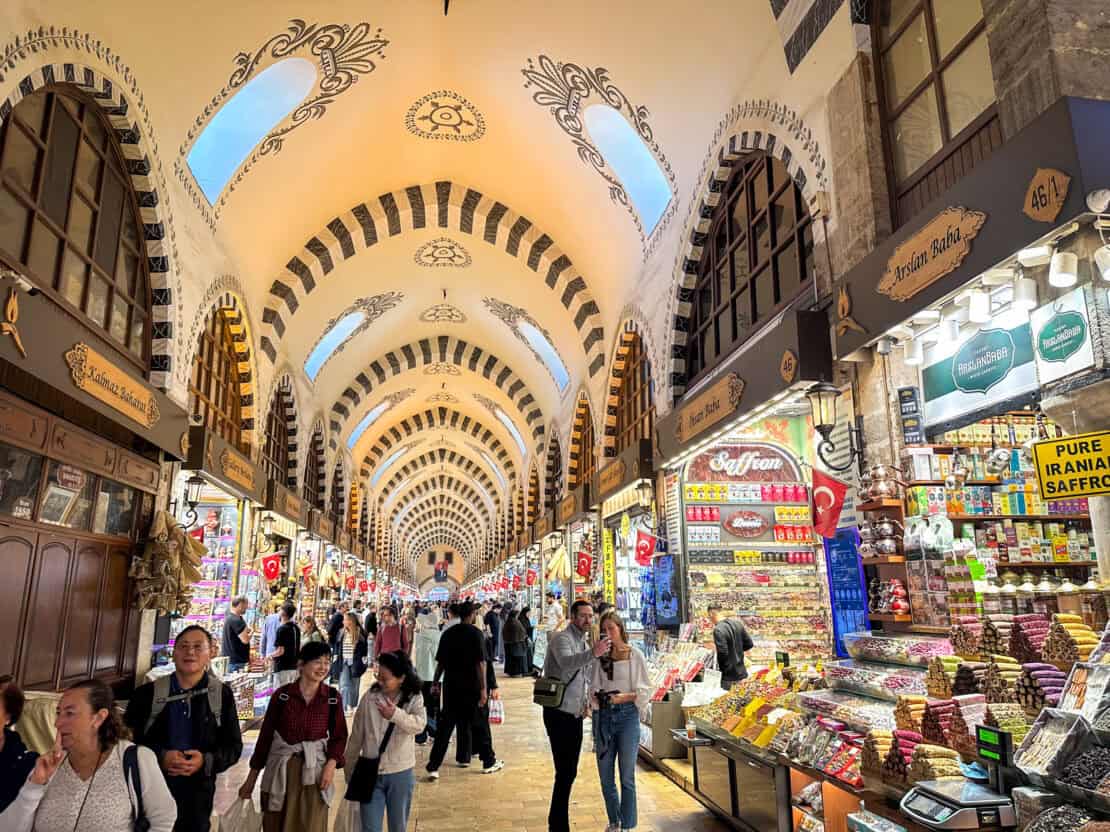
Spice pyramids teeter in the souks amid glittering lamps, narrow passageways and rising incense. You can bargain, but it’s not hard. You’re spared the grit and grizzle of the markets in Cairo, say, or Marrakech. This is a gentler place to hone your skills, from homesteads to the sprawling maze of the Grand Bazaar.
If you are wondering what to buy in Turkey, here is a guide to how to bring a piece of Turkey home with you, in an ethical, sustainable way.
Let’s find the perfect Turkish souvenirs to bring back from your trip to Turkey.
Disclosure: On this occasion, I travelled as a guest on the Viking Jupiter for review purposes. However, I have visited Istanbul before and I always keep the right to write what I like. Otherwise, what’s the point?
The Best Turkish Souvenirs
Turkish Rugs and Magic Carpets
The Turkish carpet is perhaps the most popular souvenir, at least from the point of view of the vendors, yet it is also the most misunderstood.
Traditionally, the motifs used in a handmade Turkish carpet represent the weaver’s hopes, fears, and heritage. They take months to make properly – and consequently, the prices are high.
It’s hard to avoid a carpet demonstration when travelling in this part of the world – and these can often descend into a hard-sell, no way out feeling.
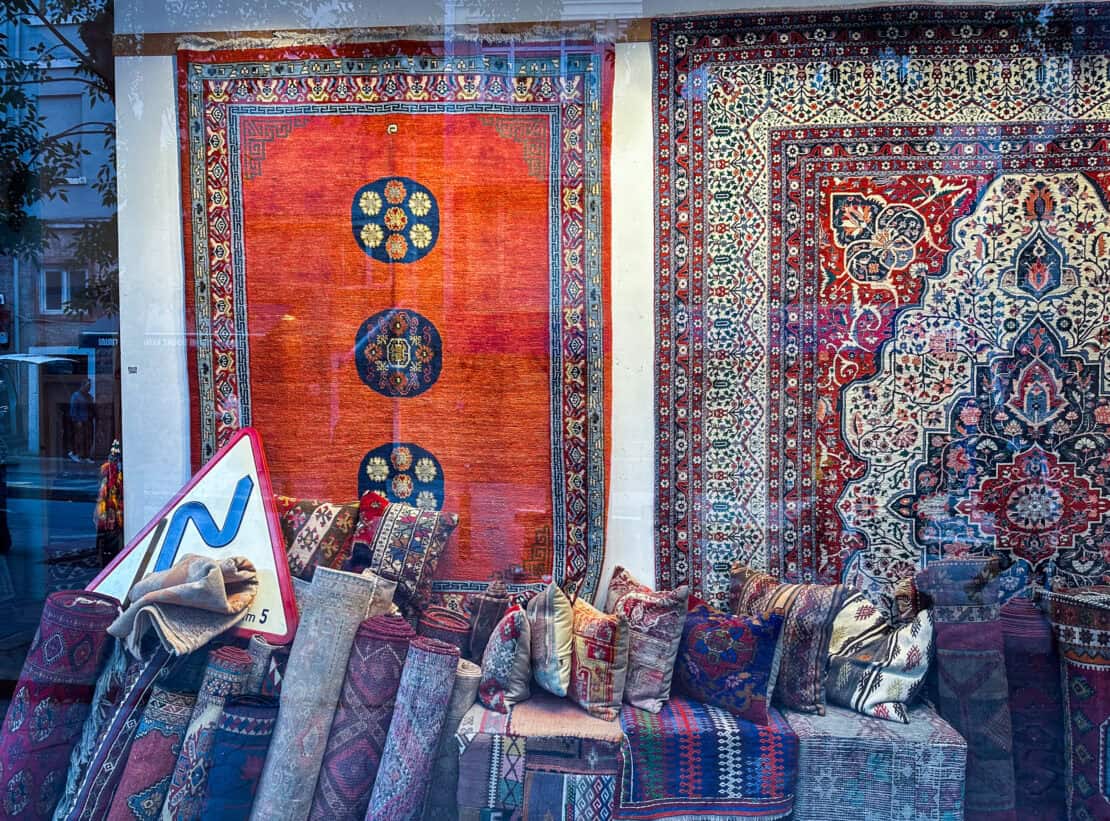
Top tips? Stay firm yet polite from the start and be respectful of the work behind the textiles. I’ve been in many of these demonstrations by now and can honestly say that it helped to go as part of an excursion on my latest trip with Viking on their Ancient Mediterranean Treasures itinerary. Then, Viking have already vetted the company in terms of shipping and worker’s rights, plus you have an interpreter on hand and just the reassurance of not being on your own.
If you are on your own, then head to the Arasta Bazaar or the Grand Bazaar in Istanbul.
While a large silk carpet is a significant investment, a smaller kilim is a unique gift that is easier to bring back home.
So, too is the Turkish towel (or peshtemal) – a staple of the Turkish bath experience. Made from high-quality Turkish cotton, these towels are lightweight and quick-drying. They are arguably one of the best things to buy for those who value sustainable, long-lasting products that function as well in a modern bathroom as they do on a Mediterranean beach.
Beyoğlu: A Bohemian Soul of Modern Istanbul
Traditional Turkish souvenirs are all well and good. But if you’re anything like me, you want to make sure you’re exploring a country’s future as well as its past.
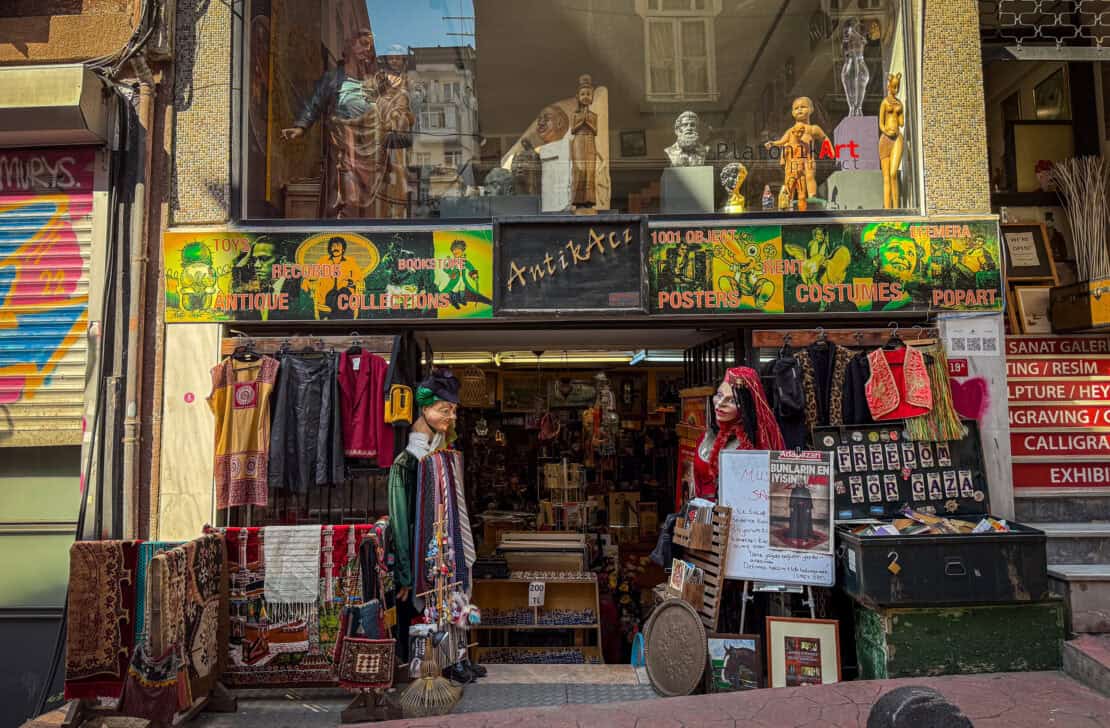
So, if the Sultanahmet district is Istanbul’s history book, then Beyoğlu is its living, breathing diary. This is where the city’s contemporary pulse beats strongest, centred around the winding side streets of Çukurcuma, Cihangir, and Galata.
After all, it was here that a friendly young waiter spoke to me via Google translate and confidently assured me that magazines were dead (when I explained why I was in town) and that all the young people are on TikTok these days.
Here, you can find museum-quality treasures at A la Turca or sift through mid-century Anatolian curios at Modern Tarih. This neighbourhood is also home to Orhan Pamuk’s Museum of Innocence, a surreal space where fiction becomes reality through a collection of 20th-century everyday objects – in case you want to take home a piece of Istanbul’s nostalgic “Hüzün” (which translates roughly to mean melancholy).
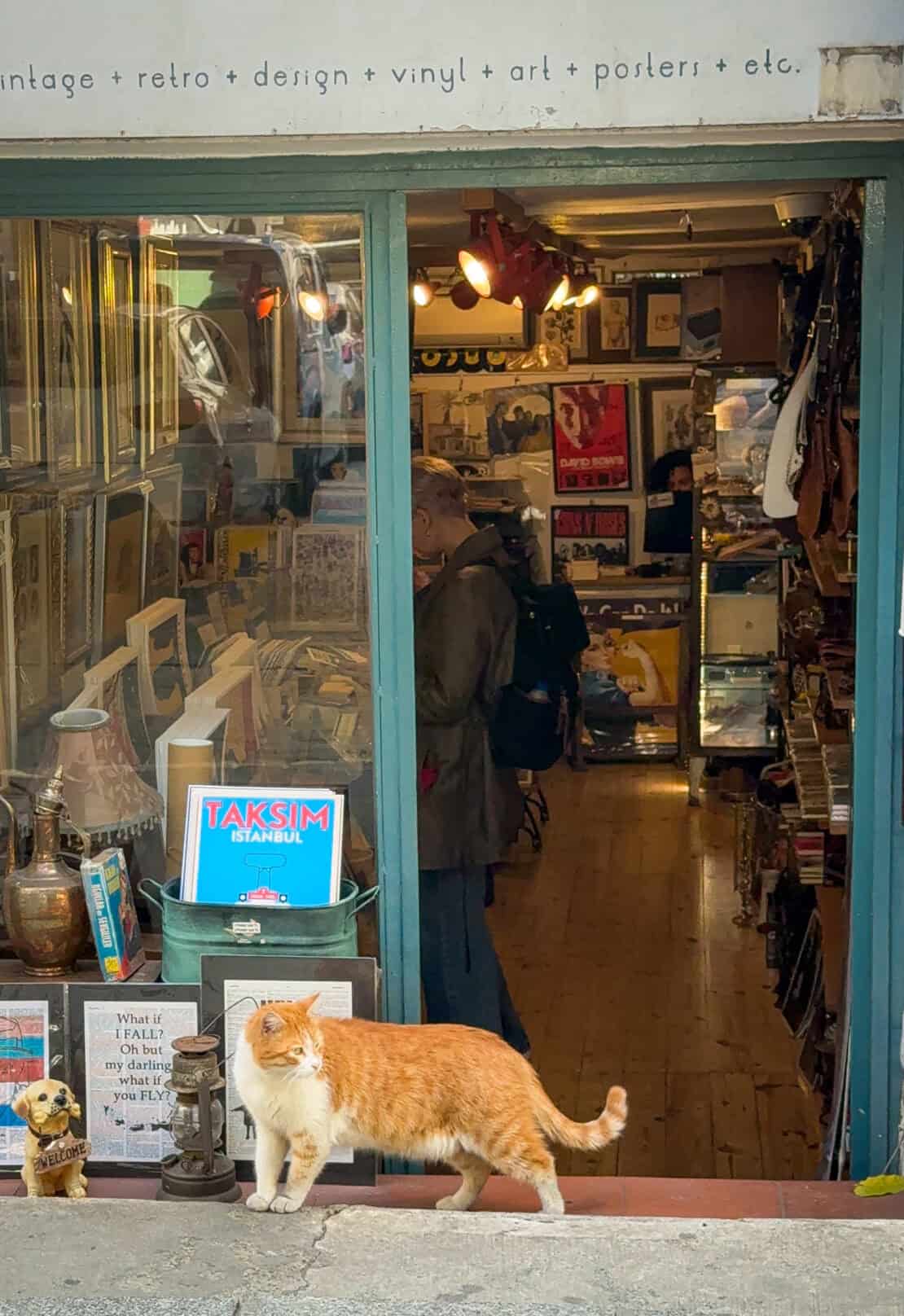
On Serdar-ı Ekrem Street in Galata, you’ll find minimalist boutiques and local designers selling high-end streetwear and avant-garde jewellery. For art lovers, the Mısır Apartment on Istiklal Avenue is a stunning Art Nouveau landmark housing several premier contemporary galleries, such as Zilberman Gallery. Meanwhile, vintage hunters should disappear into the racks at Madam Mare or Pied de Poule, where 1920s flapper dresses and Ottoman-era accessories offer a sustainable and stylish alternative to traditional souvenirs.
Where to Stay: Hammamhane Hotel
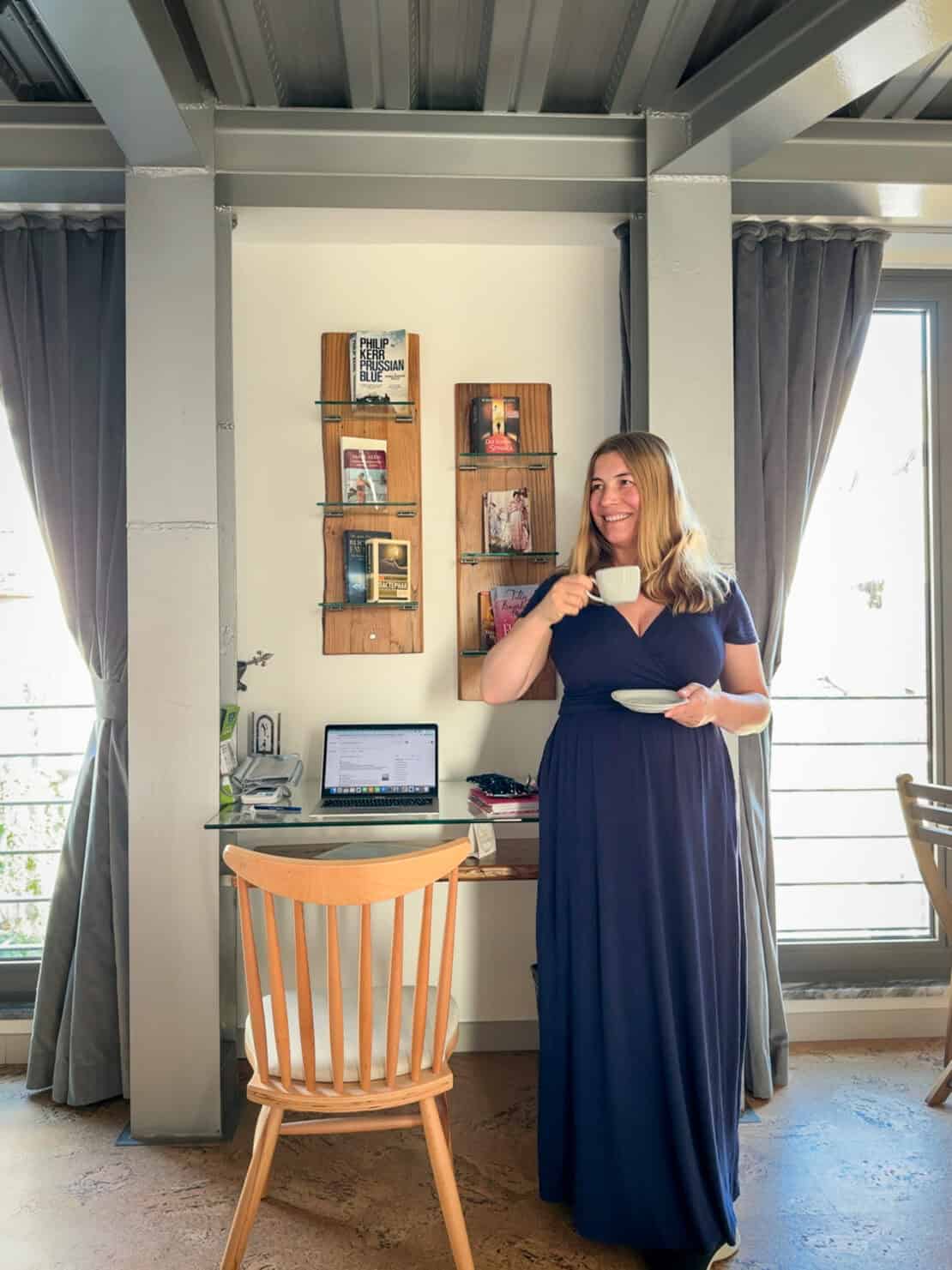
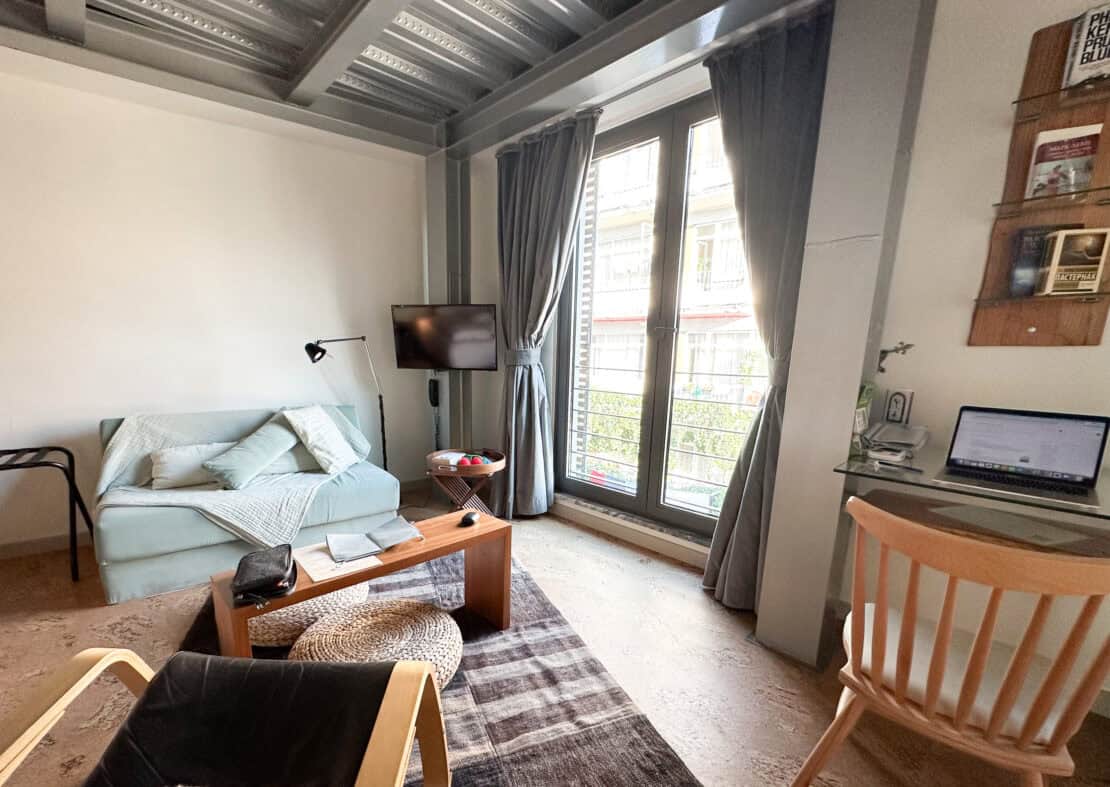
To truly immerse yourself in the bohemian spirit of Beyoğlu, Hammamhane is the ideal home base. Located in the heart of the Çukurcuma antique district, this boutique hotel is housed in a beautifully restored 19th-century apartment building, offering spacious, apartment-style suites that blend exposed brickwork with sleek, modern design.
What makes it truly special is its namesake: it is built right next to the historic Çukurcuma Hamamı 1831. So, you can step directly into a centuries-old marble steam room for a traditional scrub.
Watch this space (or subscribe to the newsletter) for the full write up coming soon…
A Taste of Anatolia: Edible Treasures
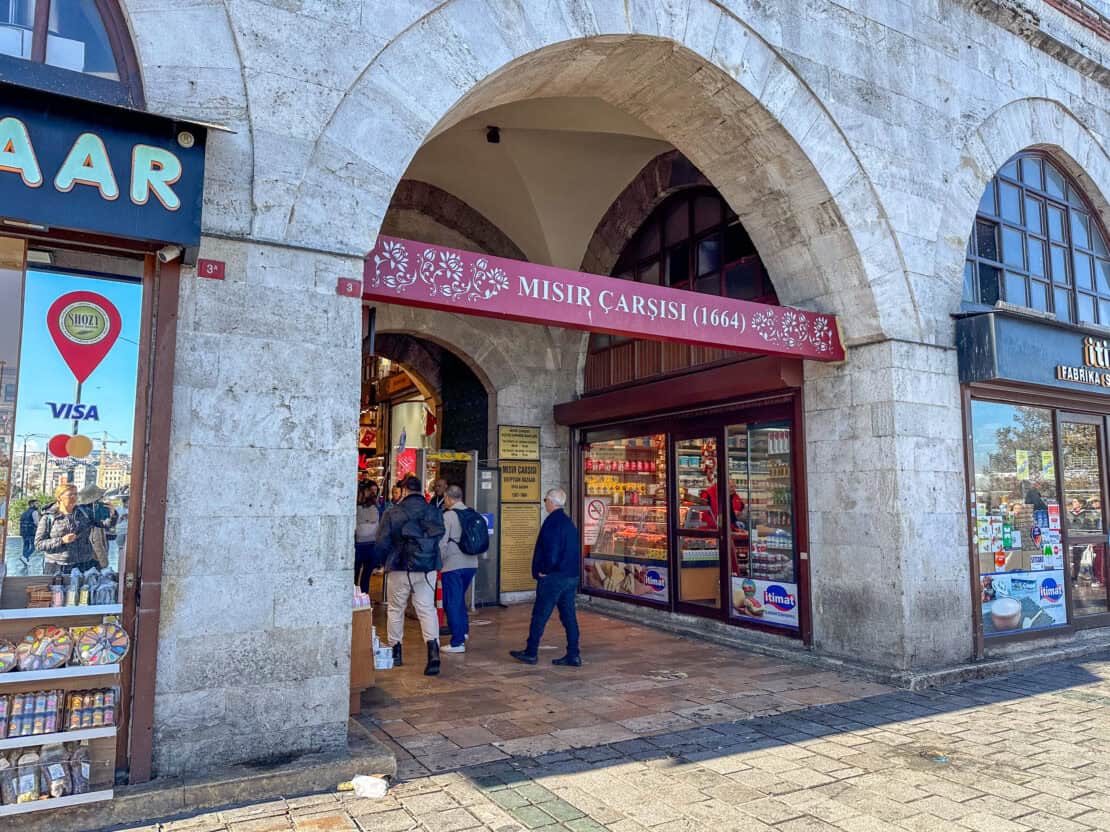
One place I visit time and time again is the Spice Bazaar in Istanbul. Also known as the Egyptian Bazaar, this L-shaped souk is one of the best places to shop for Turkish cuisine essentials. Here, the air is thick with the scent of dried fruits and warming spices and you can usually try before you buy.
Make sure that anything edible is vacuum packed so that it’s more likely to make it through customs – and always check the small print of any countries you are travelling on to.
Back to the souk, here’s what to look out for.
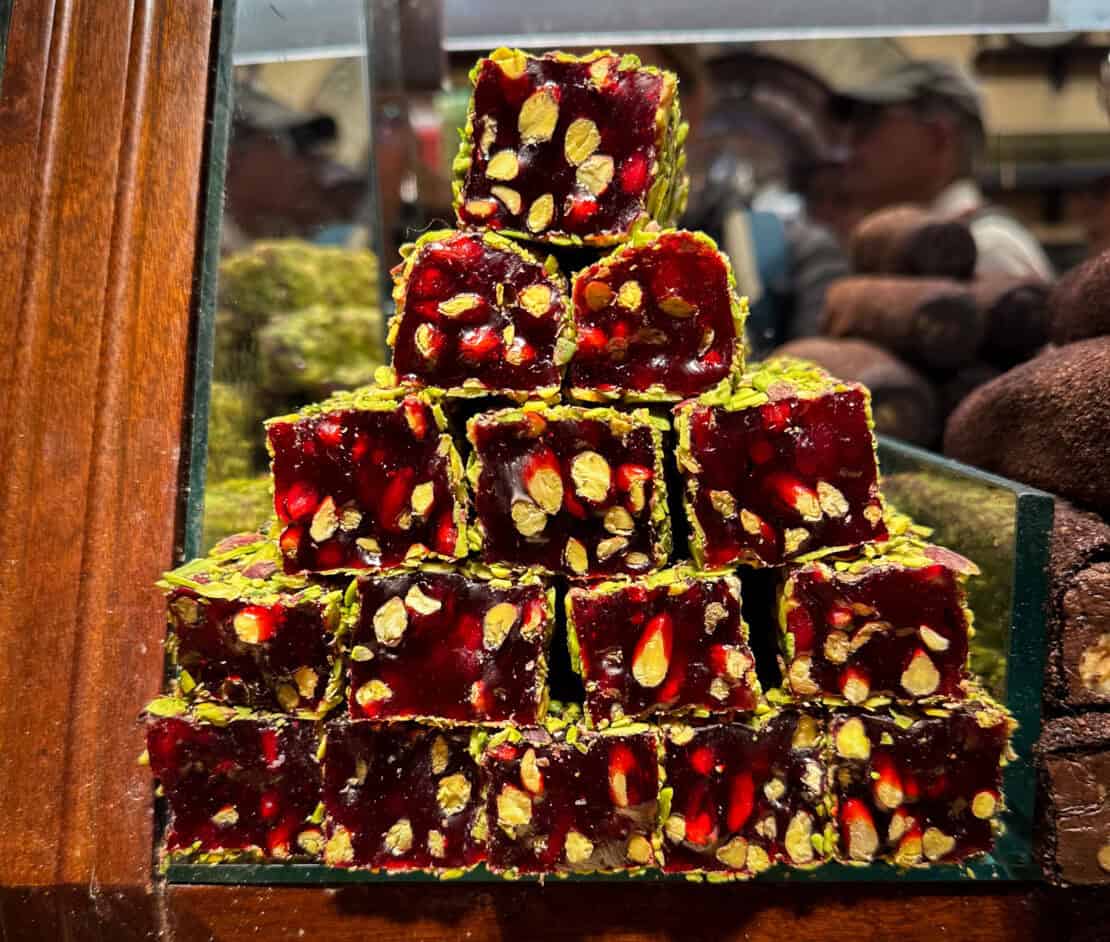
Turkish Delight
Commonly known as lokum from the Arabic rahat-ul-hulkum, meaning “comfort of the throat”- Turkish delight has been gracing Ottoman tables since the late 1700s.
Its global fame is often attributed to a legendary confectioner named Hacı Bekir, who moved to Istanbul from the Anatolian mountains and revolutionised the recipe by using refined sugar and cornstarch.
If you can only imagine the white or pink variety, with a slightly perfumey taste, I urge you to try again.
Originally flavoured with rosewater, lemon, or mastic, the modern variety is a sophisticated playground of textures, often encrusted with roasted pistachios, hazelnuts, or barberries and rolled in powdered sugar or dried flower petals. It’s traditionally served alongside a cup of bitter Turkish coffee to balance the palate.
When shopping for the perfect box to bring home, a pilgrimage to the original Hacı Bekir shop in the Eminönü district is a must for the historical weight alone. For a more contemporary take, Hafiz Mustafa 1864 offers opulent packaging and a dizzying array of pomegranate and honey-based varieties that travel exceptionally well.
Look out for Hayat in the Spice Bazaar. They give friendly demonstrations and explanations and the packaging is beautiful. Dee-licious.
Inside tip: always look for lokum that is “double-roasted” (çifte kavrulmuş) for a deeper, nuttier flavour and a superior, non-sticky chew.
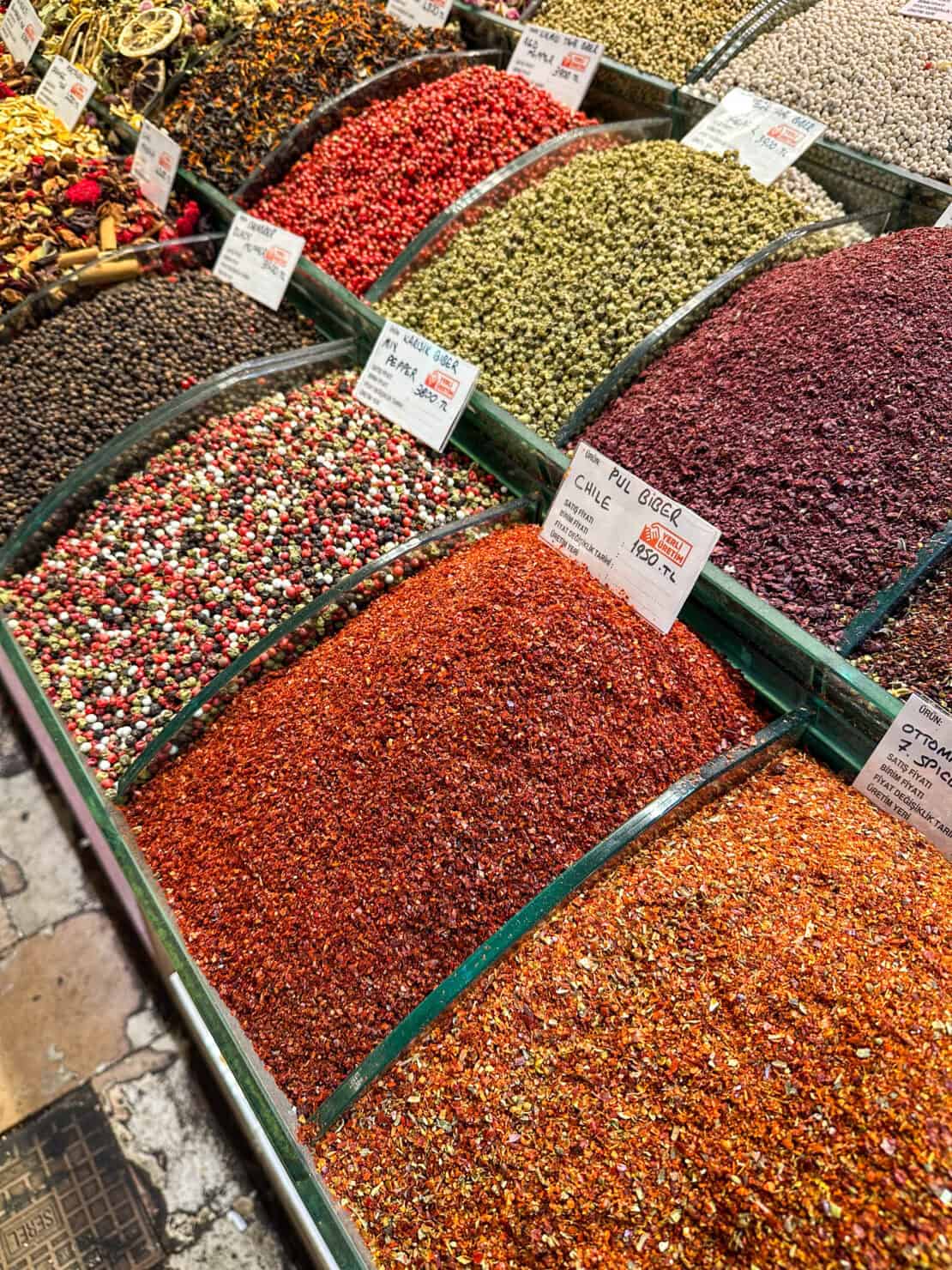
Turkish Spices for Turkish Cuisine
While the stalls are a kaleidoscope of colours, three staples define the Turkish pantry: Pul Biber (Aleppo pepper), a sun-dried, silk-textured chilli with a mild, oily heat; Sumac, a deep burgundy powder with a sharp, lemony tang used to cut through the richness of grilled meats; and Urfa Biber, an “isot” pepper that is fermented to a near-black hue, offering a smoky, chocolatey undertone.
For the most authentic experience, avoid the pre-packaged “tourist mixes” and ask for spices to be vacuum-sealed fresh from the bins.
While the Spice Bazaar is the atmospheric choice, savvy foodies often head to Arifoğlu (located within the bazaar but a trusted national brand) or cross the Golden Horn to the specialty shops in Karaköy for high-grade Iranian saffron and wild-harvested oregano (kekik).
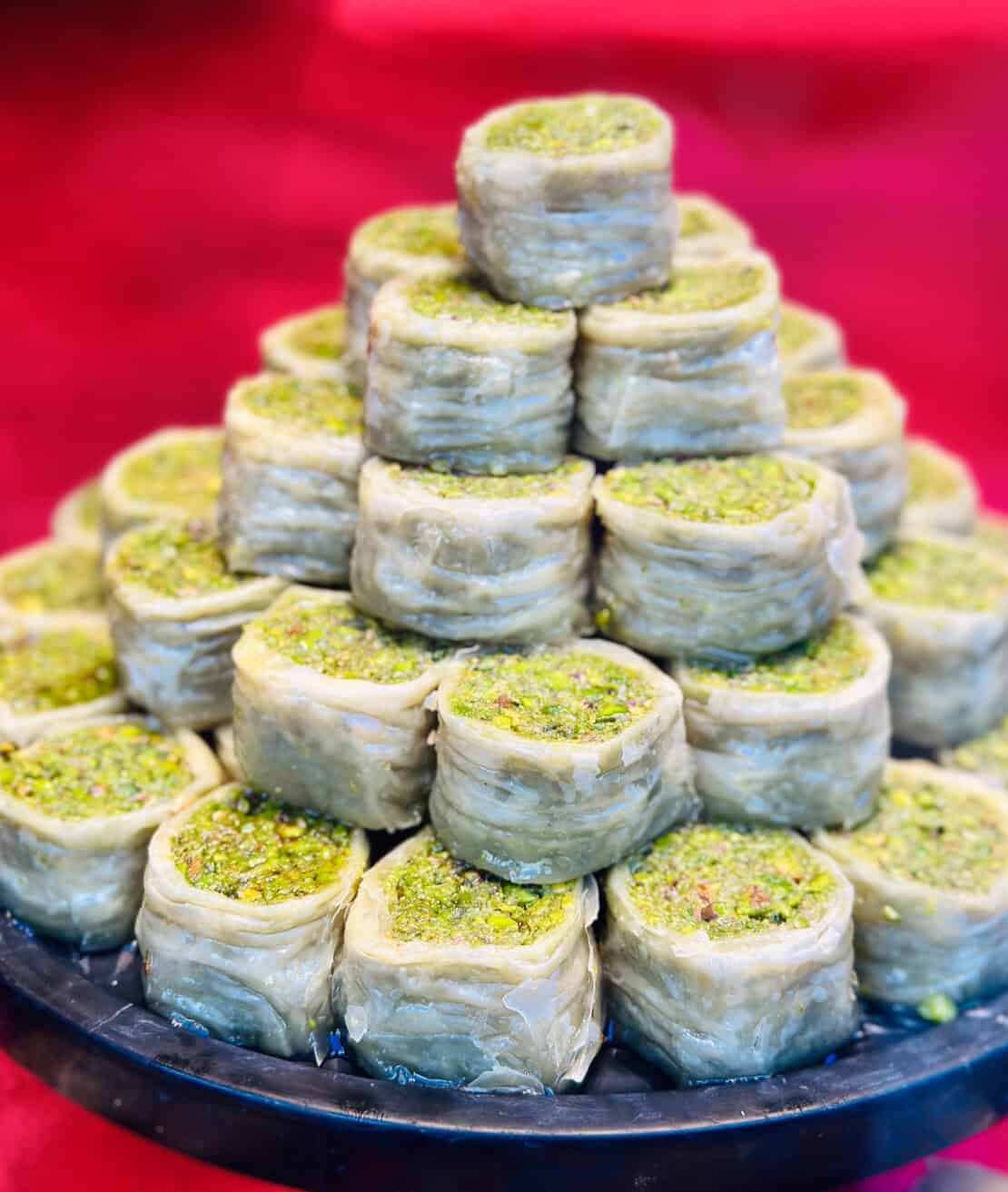
Authentic Turkish Baklava
You can find baklava across the middle east and it’s one of the best souvenirs to take back as a sharing gift to colleagues back a the office.
Honey-drenched and full of nuts and flaking pastry, it’s a series of small treats that work well on coffee breaks. Look out for reputable shops like Hacı Bekir – and try not to eat too much in one go.
Traditional Turkish Coffee
More a social catalyst than a simple caffeine fix, Turkish coffee (Türk kahvesi) is so central to the national identity that it was inscribed on UNESCO’s Intangible Cultural Heritage list in 2013.
Its history in Turkey dates back to the mid-16th century when it was introduced to the Ottoman court of Suleiman the Magnificent; the first coffeehouse opened in Istanbul’s Tahtakale district in 1554, eventually earning these hubs the nickname “Schools of the Wise.”
The coffee is defined by its powder-fine grind and the slow-brewing process in a copper cezve, resulting in a thick, unfiltered brew topped with a velvet layer of foam.
Beyond the taste, the ritual often concludes with tasseography – the art of reading one’s future in the dried grounds left in the cup.
For visitors looking to bring the tradition home, the gold standard is Kurukahveci Mehmet Efendi, located just outside the Spice Bazaar in Eminönü. You’ll recognize it by the long queue of locals.
For a more “third-wave” specialty experience, Mandabatmaz in Beyoğlu offers vacuum-sealed bags of their famously thick, chocolatey blend.
Turkish Tea
While coffee has the history, tea (çay) has the numbers: Turkey is the world’s highest per capita consumer of tea, with the average person drinking upwards of 1,300 cups a year.
Yes, I was surprised, too. Britain has some catching up to do.
Though it feels ancient, the country’s tea culture only truly blossomed in the 1920s when the young Republic encouraged domestic cultivation in the Black Sea region of Rize to replace expensive coffee imports.
Today, it is the ultimate symbol of hospitality; whether you are browsing a carpet shop or visiting a local home, a tulip-shaped glass of mahogany-coloured tea is likely to appear.
It is uniquely prepared using a double teapot (çaydanlık), which allows the drinker to customise the strength. For the best quality to take home, look for the Çaykur brand, specifically the “Altınbaş” or “Rize Turist” tins, which are available in any local supermarket.
For a more artisanal souvenir, head to the one and only Spice Bazaar (Mısır Çarşısı) in Istanbul, where you can find loose-leaf varieties blended with dried pomegranate flowers or bergamot, often sold alongside the iconic delicate glass sets and tiny silver spoons.
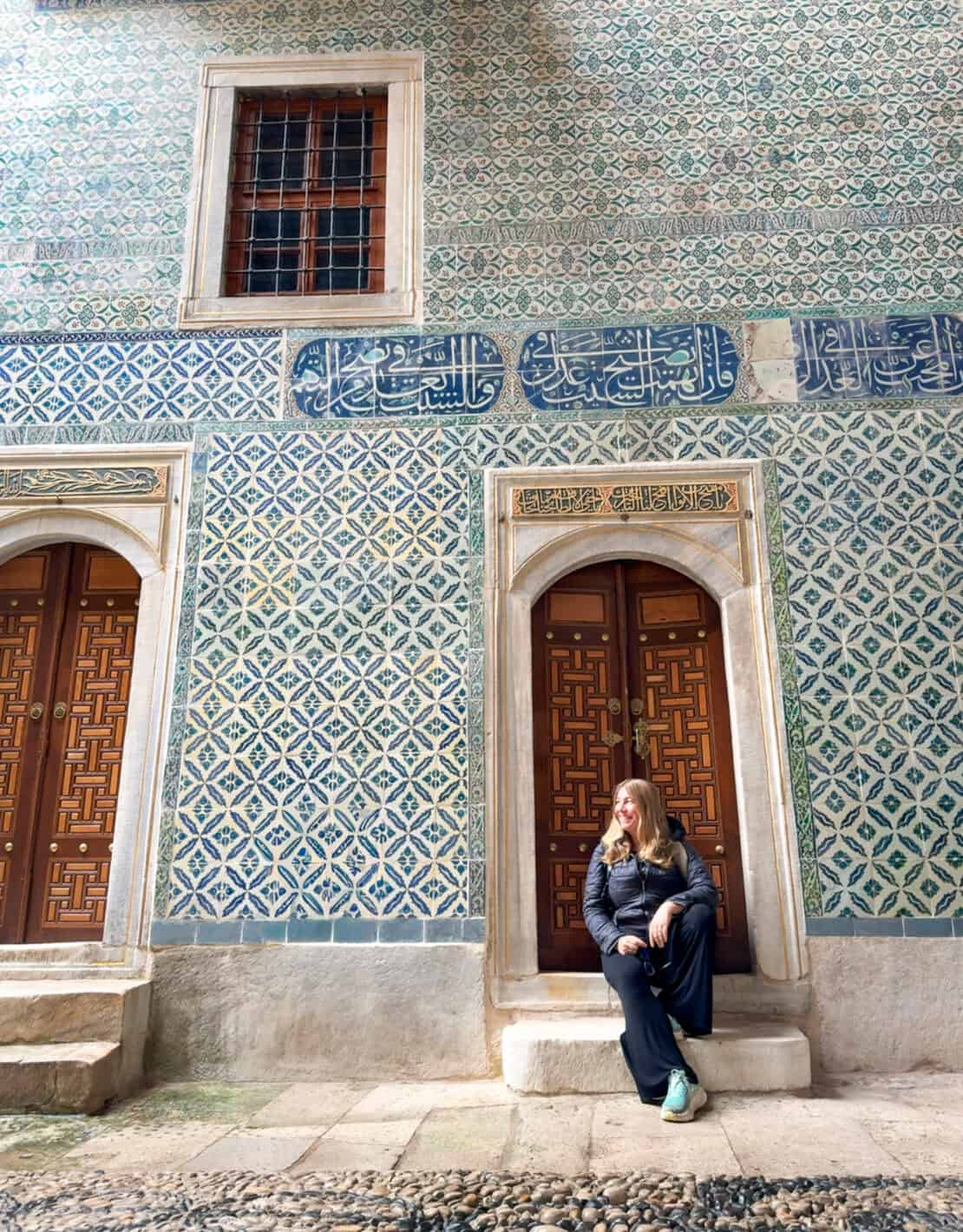
Handmade Turkish Gifts for Home Decor
Look out for a handmade Turkish cezve (copper pot) – a popular Turkish item to buy in Istanbul as you can use it to make Turkish coffee.
You’ll also be spoiled rotten when it comes to Turkish ceramics: the intricate designs found on plates and bowls often mirror the tiles of the Blue Mosque. Look for the Iznik style, but ensure you are buying from the best quality artisans to ensure the glaze is food-safe and durable.
Plus, of course, while they make for excellent souvenirs in terms of style and beauty, they are breakable. Ask for them to be packed in bubble wrap or else wrap in your clothes and place in the centre of your suitcase.
If you’re on a shopping excursion with, say, Viking’s Istanbul cruises, then they will guide you to places with a good reputation for shipping abroad.
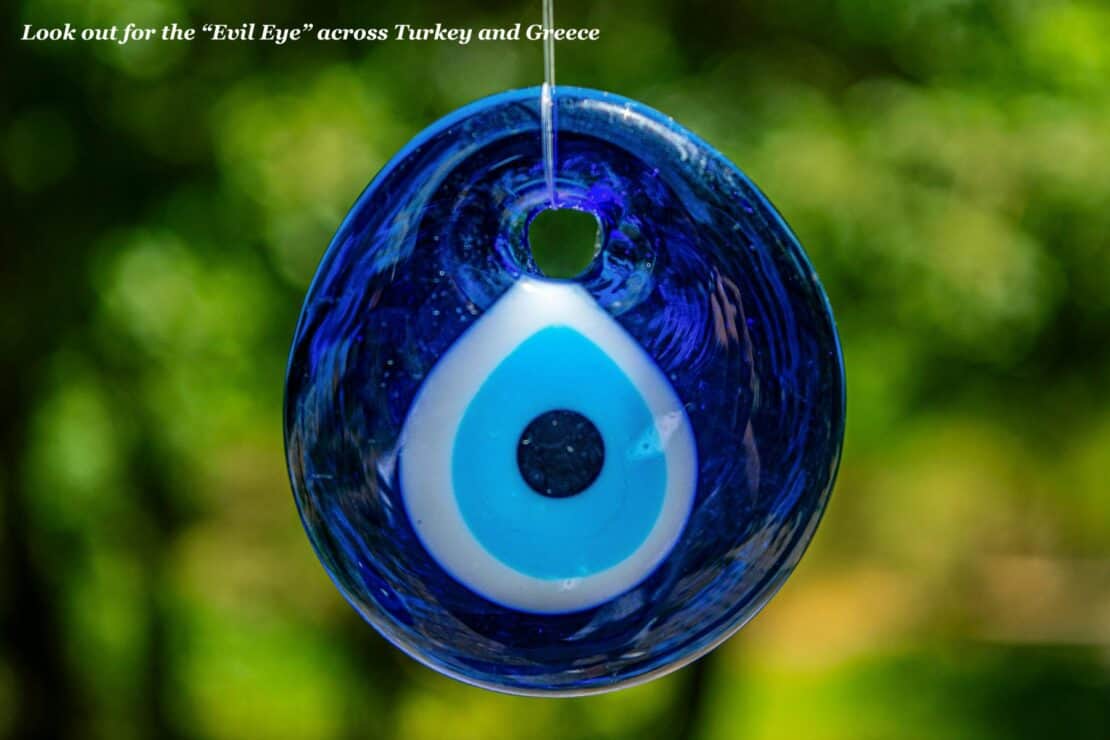
The Turkish Blue Evil Eye
Perhaps the most ubiquitous symbol in all of Turkey, the Nazar Boncuğu – the striking blue-and-white glass “evil eye” – is a souvenir that bridges the gap between ancient superstition and modern decor.
Its roots stretch back thousands of years to Mediterranean and Mesopotamian beliefs that a look of intense envy or even excessive praise from others can bring bad luck or physical harm.
To “reflect” this malevolent gaze back, the blue eye acts as a spiritual shield.
You’ll find them all around Turkey: pinned to a newborn’s clothing, hanging above the doorways of new homes, or even dangling from the rearview mirrors of Istanbul taxis. For a charm to be truly “effective” according to folklore, it should be given as a gift rather than bought for oneself, making it a great souvenir for friends and family back home.
While you can find mass-produced plastic versions everywhere in Turkey, the best quality eyes are still handmade by master glassblowers using traditional furnace techniques.
So how can you tell which is a unique Turkish work of art and which is just another piece of tat?
Look for hand-blown glass ornaments where the “eye” is layered deep within the glass rather than painted on the surface. While the Grand Bazaar offers an endless sea of variety, ranging from tiny beads to massive wall hangings, the boutiques in the Galata and Çukurcuma neighbourhoods often sell more artistic, contemporary interpretations.
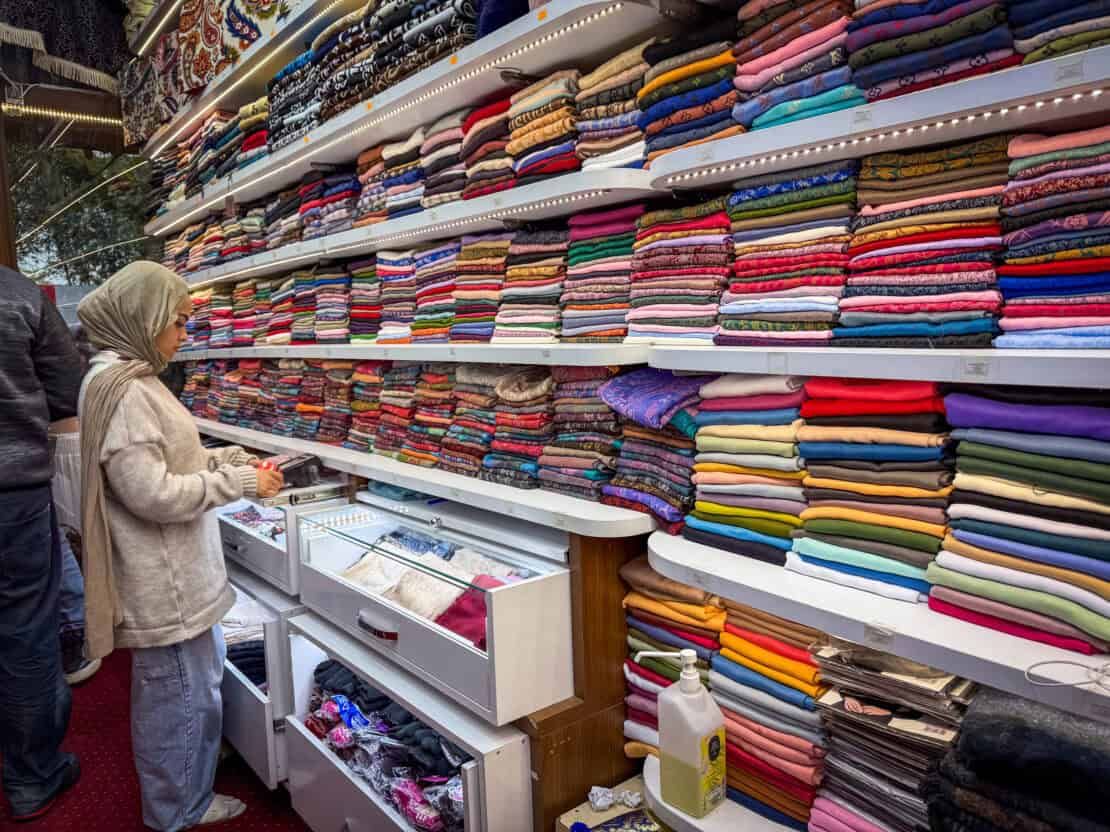
The Turkish Headscarf: Women, You’ll Need One
Whether you view it as a fashion statement or a functional accessory, a high-quality scarf is perhaps the most practical souvenir you can buy in Istanbul.
It’s a mark of etiquette and respect for women to wear one when visiting any of Istanbul’s active mosques and holy areas – and it’s taken so seriously that you simply won’t be allowed in without one.

But beyond the debate about the spiritual, a Turkish scarf is a masterclass in textile art. You’ll find them in an array of materials, from the heavy, lustrous silks of Bursa to the incredibly light yazma (hand-printed cotton) used by locals to stay cool in the Anatolian heat. Many are finished with oia – intricate, needle-lace floral borders that have been a traditional handicraft for centuries.
For an heirloom-quality piece, seek out Vakko, Turkey’s premier luxury fashion house, known for their artistic silk prints that rival any Parisian brand. If you prefer something more bohemian and artisanal, the Arasta Bazaar behind the Blue Mosque offers beautiful hand-loomed options in organic cotton and linen.
For a truly unique find, look for scarves featuring “Ebru” (Turkish paper marbling) patterns, where the dye is floated on water before being transferred to the fabric.
Not only will it get you through the doors of the city’s architectural wonders, but it also serves as a lightweight, chic reminder of Istanbul’s colours long after you’ve returned home.
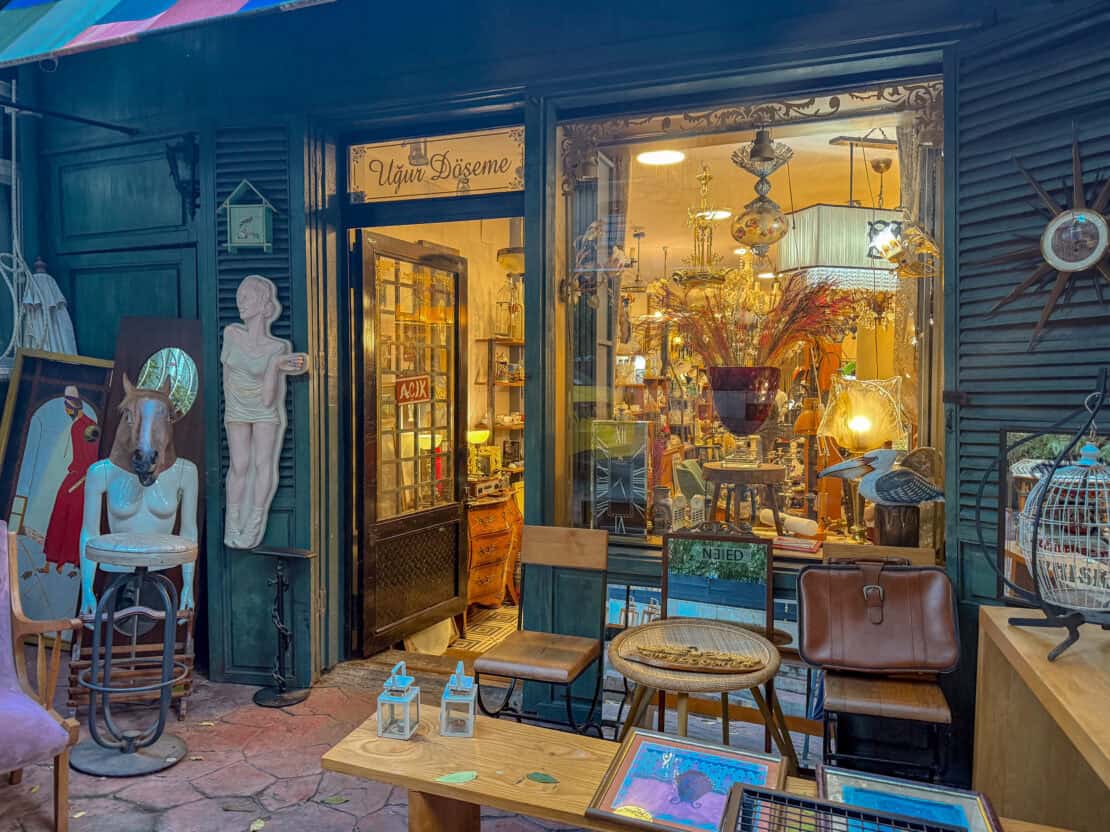
Where to Buy Turkish Souvenirs
To help you find the best souvenirs to buy, here is a curated list of specific artisan shops in Istanbul that prioritise craftsmanship over mass production:
- Jennifer’s Hamam: Located in the Arasta Bazaar, they work with some of the last families in Turkey using traditional shuttle looms to create organic cotton, silk, and linen pieces.
- Abdulla Natural Products: Situated in the Grand Bazaar, this shop is perfect for herbal soaps and hand-woven mohair rugs.
- Iznik Classics: Found in Sultanahmet, they specialise in exquisite quartz-based pottery that revives 16th-century Ottoman techniques.
- Dhoku & EthniCon: These sister shops in the Grand Bazaar offer award-winning contemporary takes on traditional weaving and vintage kilim patches.
- Hacı Bekir: A visit to the historic shop in Eminönü is a journey back to 1777 for the most authentic taste of Turkish delight.
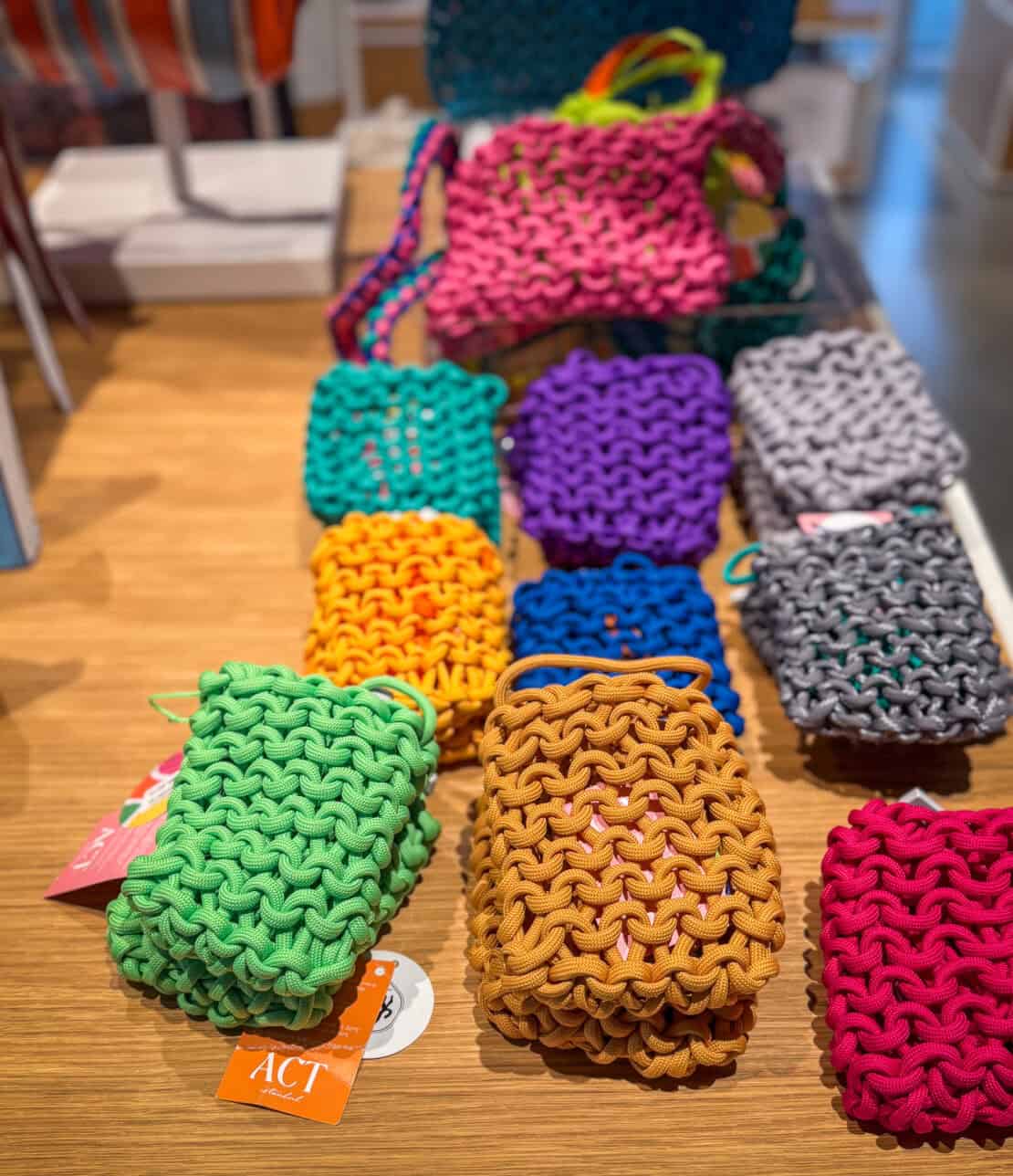
The Istanbul Modern Design Shop: Art With a Twist
I know it’s a standing joke to talk about museum gift shops but I always find them a great place to look when it comes to tracking down special souvenirs and gifts to remind you of a place.
You’ll find the Istanbul Modern Design Shop on the ground floor of the museum’s stunning new landmark building, designed by Pritzker Prize-winning architect Renzo Piano, and a celebration of high-concept objects that celebrate Turkey’s thriving modern design scene. Highlights include limited-edition jewellery, sleek home accessories inspired by the museum’s architecture, and collaborations with contemporary Turkish artists like Taner Ceylan and Seçkin Pirim.
Find fun porcelain coffee sets with avant-garde twists or silk scarves featuring prints from the museum’s permanent collection. The shop also stocks an impressive selection of international design books and “Istanbul Modern” branded lifestyle goods that mirror the building’s industrial-chic aesthetic.
What to Buy in Istanbul: At a Glance
- Pestemals (Hammam Towels): These aren’t your average bulky bath towels. Woven from high-quality Turkish cotton or bamboo-silk blends, they are lightweight, incredibly absorbent, and double perfectly as a beach wrap or a chic scarf.
- Iznik-Style Ceramics: Look for hand-painted bowls and plates featuring the classic “tomato red” and deep turquoise floral motifs. For the highest quality, seek out shops that specialise in quartz-based ceramics, which have the signature luminous glow of the tiles in the Blue Mosque.
- Copperware (Bakır): From hand-hammered cezve (coffee pots) to intricate spice containers, Turkish copper is heavy-duty and functional. Head to the Bakırcılar Çarşısı (Coppersmiths’ Bazaar) near the Grand Bazaar to see artisans still beating the metal by hand.
- Hand-Woven Kilims: If a full-sized knotted carpet is too much for your luggage, a kilim (flat-woven rug) is the perfect alternative. They are easier to fold and feature bold, geometric tribal patterns that tell ancient Anatolian stories.
- Turkish Lanterns: These kaleidoscopic Turkish mosaic glass lights are the “jewels” of the Grand Bazaar. They are handmade using tiny shards of coloured glass and beads; just ensure the shop provides expert bubble-wrapping or international shipping. Otherwise a smashed Turkish lamp awaits.
- Organic Olive Oil Soaps: For a spa-at-home gift, pick up traditional soaps made with olive oil, laurel, or lavender. These are often sold in the Spice Bazaar alongside kese (the exfoliating mitts used in authentic hammam treatments).
- Backgammon Sets (Tavla): You’ll see locals playing this in every teahouse. High-quality sets are made with walnut wood and inlaid with mother-of-pearl or ebony. A substantial souvenir to bring home from Turkey.
- Zultanite Jewelry: A uniquely Turkish luxury, this rare gemstone is found only in the İlbir Mountains. It is famous for its colour-shifting properties, changing from kiwi green in sunlight to a soft raspberry pink under candlelight. It’s a great gift for loved ones.
Essential Shopping Tips for Finding the Best Things to Buy
When hunting for the right gifts and souvenirs, bear in mind the following:
While many shops in tourist areas accept Euros, you will often get a better deal using the Turkish lira. In the bazaar, haggling is a part of Turkish culture; do it with a smile and a spirit of respect. Always ask about provenance, as the best souvenirs from turkey are those that support local artisans.
Also, never forget that a good guide can help you have the best shopping experience by helping with translation and providing a bit of moral support. While you can certainly buy souvenirs on your own, if you’re looking for the perfect souvenir then why not look with someone who can point out the authentic, ask any questions and generally help you find the best that Turkey offers.
Useful Terms When Looking for Turkey Souvenirs
- Pazarlık (Pah-zar-luk): The art of bargaining. It is expected in the Grand Bazaar but less common in modern malls or Beyoğlu boutiques.
- Kaç Para? (Katch Pa-ra?): “How much money?” or “How much does it cost?”
- İndirim (In-dee-reem): Discount. Keep an eye out for this word on storefront signs.
- Buyurun (Boo-yoo-roon): A polite “Welcome” or “Please, come in.” You will hear this constantly as you walk past shop entrances.
- Çok Pahalı (Chok Pa-ha-luh): “Too expensive.” A useful phrase when starting a friendly negotiation.
- Otantik (Oh-tan-teek): Authentic. Used to describe traditional or handmade goods.
- Hediye (Heh-dee-yeh): Gift. Many shops will offer Hediye Paketi (gift wrapping) if you ask.
- Kolay Gelsin (Ko-lie Gel-sin): A beautiful Turkish phrase meaning “May it come easy to you.” It is the polite way to greet a shopkeeper or artisan as they work.
- Eyvallah (Ay-vah-lah): An informal “Cheers” or “Thanks,” often used with a slight nod and a hand over the heart.