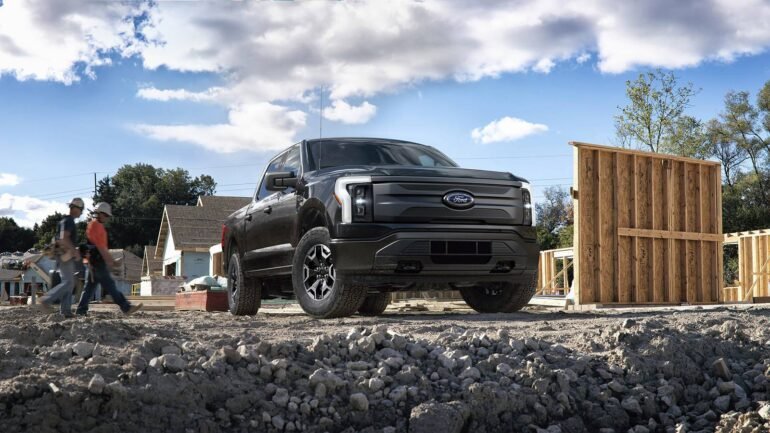
Amazon Autos is quietly becoming a mega car dealer. They just inked a deal with Ford to become a certified pre-owned dealer of used Fords. About 160-180 Ford dealers are interested in participating in the program, according to a joint release from Amazon and Ford. Late last year, Hyundai became the first manufacturer to partner directly with Amazon on selling new cars. That program is already far more comprehensive, with 71 percent of Hyundai’s sales volume listed on Amazon Autos.
But you should be asking, why? Why should I buy a car on Amazon? Why do Hyundai and Ford want me to? I put these questions to officials at Ford and Hyundai, and also reached out to a few industry watchers. Because, sure, we buy everything on Amazon. But paper towels don’t need oil changes. Nor does pet food. Cars are different, and so is how we purchase them. Or, they were. Here’s what’s changing, and why you’re now able to trade in your used car and buy your next sled in between commercials while watching the NFL on Prime.

Amazon Wants To Sell You Your Next Car
Bezos bought into Rivian, and a deal with Hyundai lets Amazon sell their cars. What’s next? Same-day car delivery?
Amazon Is The New Car Dealer

Back in 2022, Jim Farley, the CEO of Ford, told a conference that the future of car dealerships has to be digital. At the time, he talked about how Target was responding to Amazon sales:
“Target could have gone away, but they didn’t. They bolted on an e-commerce platform and then they used their physical store to add groceries, and make returns much easier than Amazon. They use their expertise as a physical retailer to their advantage.”
Today, Ford is choosing Amazon over Target. But Ford’s doing so for the same reasons Farley argued for at that conference back in June 2022. Farley said Ford needs haggle-free pricing, 100-percent online selling, no dealer inventory, and 100-percent remote pickup and delivery.
Buying A Car In Your Underwear

Ford’s new deal with Amazon only offers some of these ingredients. Dealers still have inventory. Amazon doesn’t want dealers to go away. For one thing, Amazon doesn’t want to be in the car maintenance business, and they don’t want to warehouse cars; they have plenty of logistical challenges as it is.
One Price Only

Still, non-negotiable pricing is the critical key for both Amazon and dealers in the agreement. When I asked Ford officials about what they’re offering, they were firm that buyers on Amazon Autos won’t allow negotiated pricing. This makes some sense; just as you don’t get to haggle on the price of diapers listed on Prime, you also won’t negotiate on a used F-150 or a new Tucson. The price is the price. But as you can see, there are more moving parts that Ford’s not addressing in this deal, and that Hyundai has not addressed to date, either.
The Psychology Of Trust

Thomas J. Thompson, Chief Economist at Havas Edge, a marketing and research firm, told me that part of why this is happening now has everything to do with trust. We trust Amazon as a broker of so much of what we purchase. And we transact with Amazon constantly. But most of us purchase cars pretty infrequently, so the car-buying experience, even at the very best dealerships, still feels pretty alien. In some sense, Thompson says, we’re willing to trade away perceived negotiating power over the sale price to avoid discomfort.
“A fixed price eliminates the uncertainty that many buyers find stressful, and a familiar transaction flow reduces the hesitation that often surrounds high-ticket decisions. At a time when new and used car prices remain elevated, anything that lowers emotional friction tends to accelerate willingness to buy.”
– Thomas J. Thompson, Chief Economist at Havas Edge
Like Buying Anything Else

If we’re losing wiggle room on MSRP, one clear advantage is a storefront that lists a variety of models and brands filtered by proximity to where you live and your chosen price range. And you don’t have to settle for what Amazon spits out. Even when the default interface showed me Toyotas and Hondas, I was able to add other brands, like Volkswagen and Audi and these then populated the search. However, my keyword search for “Bentley” yielded nothing. Apparently, Jeff Bezos has yet to woo them to the platform.

Ford CEO Admits Customers Don’t Want Expensive EVs — Just Like Toyota Predicted
Toyota slowly expanded hybrids and plug-in hybrids while holding back on a full battery-electric blitz. Critics called it old-fashioned.
Money-Back Guarantee And Warranty Levels

Ford’s deal with Amazon offers buyers some security that currently varies more between dealers. You get 14 days of ownership/1,000 miles of driving with a money-back guarantee. Certified, pre-owned cars from Ford get variable warranties, depending on their age and mileage. For instance, what Ford calls Gold Certified gets a 172-point inspection and gets a 12-month/12,000-mile (whichever comes first) warranty. Blue Certified cars can be older and that warranty is for 90-days/4,000-mile (whichever comes first). Hyundai’s warranties on new cars sold through the partnership are identical to the factory warranty.
Do Test Drives Even Matter?

The biggest component buyers are trading away is the “kicking-the-tires” experience of test-driving a car before signing up for several years of financial obligation. Most buyers don’t test-drive cars today, however. Thompson of Havas says that a similar analogy is online clothing shopping, which used to seem odd, because you’re missing the chance to try it on. But that was then. “Digital trust reached a level where even complex, emotionally charged purchases could migrate online.” Thompson says that dealers are clearly wagering that even though they’ll lose some control over the initial point-of-sale contact, customers will more happily deal with Amazon.
Robbie DeGraff, who studies consumer behavior at AutoPacific, was far more blunt. Noting that if car dealers only become service outlets, which is where they make their money anyway, that’s likely a better outcome for consumers and for the future survival of dealerships.
“The traditional franchised dealership model is broken, and truly a terrible way to buy a vehicle. But there are benefits that cannot be ignored, like local and easy support for maintenance and service.”
– Robbie DeGraff, Product and Consumer Insights at AutoPacific
One Price Feels More Honest

Ford’s CEO said back in 2022 that one reason Ford wanted direct-to-consumer sales was the cost of distribution. New carmakers to come, like Slate and Scout, will bypass traditional dealers for that reason alone. Tesla already does this in most states where they can bypass franchise laws, and the same goes for Rivian. Thompson says if that “saved” inventory cost feels transparent to you as a customer, you’re more apt to trust the brand. And the brand then engenders greater customer loyalty.
The Price Is Close To Fixed, Anyway

Plus, Thompson says there’s far less wiggle room on the price of a new car, anyway. And the pain of buying at a dealer has far less upside for either party.
“If a consumer thinks they are going to waste their entire day at a dealership…that does not outweigh the (for example) $500 they think they can get knocked off the price. Brands like Tesla, Rivian, Scout, and others are responding to a very clear signal that buyers want transparency, consistency, and control.”
– Thomas J. Thompson, Chief Economist at Havas Edge

The 2-Year-Old Toyota Hybrid SUV That You Should Buy Used
This hybrid SUV is still one of the best-selling ones on the market, and here’s why even a two-year-old model is worth looking at today.
TopSpeed’s Take

Thompson says that dealers aren’t about to die, because franchise laws skew in their favor. So, unlike protecting your local grocer or hardware retailer from online competition, we protect car dealers. So he says that the dealer structure will remain, but that cost pressures of warehousing inventory on expensive real estate, and our general distaste for car dealers, is giving those retailers no choice but the Amazon model, and this is also why newly revived brands like Scout will go direct-to-consumer.
Or, put more simply, we tend not to like car dealers. We tend to like the carmakers themselves, though, and smart branding is forcing this change. And for legacy brands, getting rid of the “ick” of the purchase is step one for Ford, Hyundai, and likely many other brands in the future.
Source: Ford, Havas Edge, AutoPacific